Effective Tattoo Removal Treatment in Kolkata
Patient Experiences
4.7 ★★★★★
670+ Google reviews
Why Choose Dr Manoj Khanna for Tattoo Removal
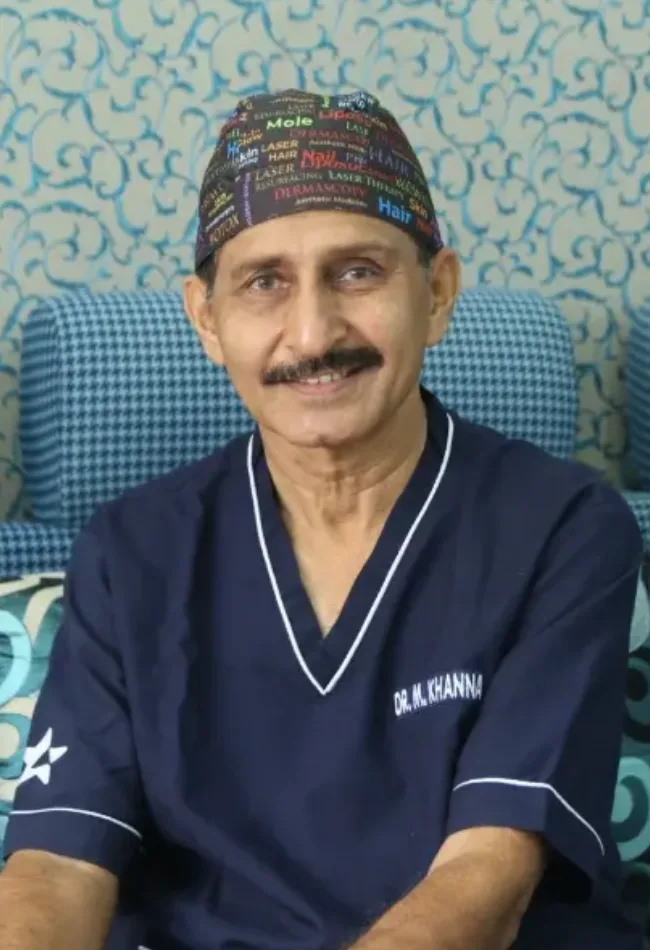
Dr Manoj Khanna focuses on personalised planning to achieve safe and effective tattoo reduction.
Advanced Laser Tattoo Removal Expertise
Uses advanced laser-based techniques designed to target tattoo pigments while preserving surrounding skin.
Detailed Tattoo Assessment
Every tattoo is evaluated based on its size, colour, location, depth and previous treatment history.
Personalised Treatment Planning
Laser settings and treatment approaches are customised according to individual tattoo characteristics.
Focus on Skin Safety
Treatment planning considers skin response and potential temporary pigmentation changes.
Experience With Complex Tattoos
Professional tattoos, amateur tattoos, multicoloured tattoos and dense ink tattoos may respond differently and require customised treatment strategies.
Structured Follow-Up Support
Patients receive guidance regarding aftercare, healing and future sessions.
Awards

Clients

Client Satisfaction

Cosmetic Procedures

Key Facts at a Glance
| Information | Details |
|---|---|
| Procedure Type | Non-surgical laser tattoo removal |
| Primary Purpose | Reduction of unwanted tattoo appearance |
| Technology Used | Q-switched Nd:YAG laser technology |
| Common Treatment Areas | Arms, hands, legs, neck, shoulders, back and other tattooed areas |
| Treatment Duration | Depends on tattoo size and treatment area |
| Sessions Required | Depends on tattoo characteristics and individual response |
| Recovery | Gradual healing after each session |
| Results | Progressive fading over multiple sessions |
| Performed By | Dr Manoj Khanna |
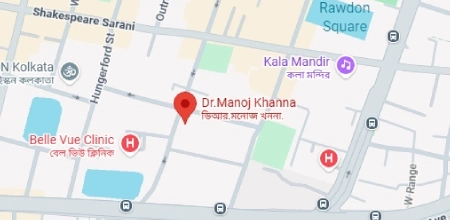
| Location | Suite 5A, Minto Park, Maruti Building, 12, Sir UN Brahmachari Sarani, Opposite Bellevue Clinic, Kolkata, West Bengal 700017 |
What Is Tattoo Removal?
Tattoo removal is a procedure designed to reduce the appearance of unwanted tattoos by targeting ink pigments beneath the skin.
Laser tattoo removal delivers controlled laser energy that breaks tattoo pigments into smaller particles. The body's natural processes then gradually clear these fragmented particles.
The treatment approach depends on:
- Tattoo size
- Ink colour
- Ink depth
- Tattoo age
- Skin type
- Previous tattoo treatments
Different tattoo colours absorb laser energy differently, and some colours may require specific laser approaches for better response.

Common Tattoo Concerns Treated With Tattoo Removal
Unwanted Tattoos
Laser tattoo removal helps gradually reduce unwanted tattoo visibility while supporting personal aesthetic goals.
Outdated Tattoos
Old tattoo designs that no longer represent personal preferences can be progressively faded.
Poorly Done Tattoos
Customised treatment can improve uneven lines, blurred designs, or unsatisfactory tattoo outcomes.
Stubborn Tattoos
Older tattoos and dense ink deposits may require additional treatment planning because deeper pigments can take longer to respond.
Large Tattoos
Large tattoo areas can be treated progressively through customised sessions.
Multicoloured Tattoos
Multicoloured tattoos often require careful assessment because different pigments respond differently to laser wavelengths.
Faded Or Distorted Tattoos
Tattoo designs affected by fading or changes over time may be considered for removal.
Professional Appearance Concerns
Visible tattoos affecting workplace preferences may encourage individuals to explore removal options.
Cover-Up Tattoo Preparation
Laser fading may help reduce existing ink visibility before a future cover-up tattoo.
Tattoo Removal Treatment Benefits
| Tattoo Removal Benefit |
How It Helps
|
|---|---|
| Clear Ink Reduction | Laser energy targets tattoo pigments and helps gradually reduce their visibility. |
| Customised Laser Care | Treatment settings are adjusted based on tattoo colour, size, depth, and skin characteristics. |
| Skin Protection Focus | Helps reduce tattoo visibility while protecting surrounding skin. |
| Effective Tattoo Fading | Supports gradual reduction of tattoo pigments over multiple sessions. |
| Suitable For Different Tattoos | Professional, amateur and coloured tattoos may be considered after proper assessment. |
| Minimal Downtime | Most patients can return to regular activities after treatment, depending on the treated area. |
When to Consult an Expert for Tattoo Removal?
- An unwanted tattoo no longer feels right for you
- An old tattoo feels outdated or no longer relevant
- A poorly done tattoo affects your confidence
- Tattoo ink appears faded and uneven over time
- A visible tattoo affects professional opportunities
- You regret a previous tattoo decision
- A large tattoo feels difficult to conceal
- A coloured tattoo has become difficult to live with
- You want a non-surgical tattoo removal solution
- You are seeking safe, expert-led tattoo removal
What Does Dr Manoj Khanna Evaluate Before Tattoo Removal?
- Tattoo size and location
- Tattoo colour and pigment type
- Tattoo depth within the skin
- Professional or amateur tattoo type
- Age of the tattoo
- Previous tattoo removal attempts
- Skin type and sensitivity
- Risk of pigmentation changes
- Expected treatment response
- Number of sessions likely required
- Recovery expectations
- Possible treatment limitations
- Personalised treatment planning
Factors That Influence Tattoo Removal Results
Tattoo Type
Professional tattoos usually contain deeper, denser ink deposits than amateur tattoos, which may affect treatment response.
Tattoo Colour
Different ink colours respond differently to laser treatment. Black ink generally responds differently compared with lighter or multicoloured pigments.
Tattoo Size
Larger tattoos may require more treatment sessions compared with smaller tattoos.
Ink Depth And Density
The amount and depth of pigment in the skin can affect how quickly a tattoo fades.
Previous Tattoo Modification
Cover-up tattoos or previous removal attempts may increase treatment complexity.
Individual Skin Response
Skin type, healing ability and aftercare practices influence overall results.
Tattoo Removal Procedure: A Step-by-Step Guide
Tattoo removal is planned after assessing the tattoo characteristics, skin condition and expected outcome.
Step 1
Initial Consultation and Tattoo Assessment
The tattoo’s size, colour, depth, location and age are assessed to create a personalised tattoo removal plan.
Step 2
Skin Preparation and Treatment Planning
Patients receive guidance regarding skin preparation, sun protection and other measures that support safe treatment. The laser settings are selected based on tattoo pigment, skin type and treatment goals.
Step 3
Cleansing and Protective Measures
The team cleans the treatment area before the procedure. Protective eyewear and safety protocols ensure controlled laser application.
Step 4
Comfort and Numbing Process
A topical anaesthetic cream may be applied before treatment to improve comfort during laser application. The requirement depends on tattoo size, location and individual comfort levels.
Step 5
Precision Laser Tattoo Removal
Advanced Q-switched laser technology delivers controlled energy pulses that target tattoo pigments beneath the skin. The laser breaks down tattoo ink into smaller particles while limiting damage to surrounding skin.
Step 6
Tattoo Ink Fragmentation Process
Laser energy fragments tattoo pigments, allowing the body’s natural processes to gradually clear the broken-down ink particles. The tattoo gradually fades over multiple treatment sessions.
Step 7
Immediate Post-Treatment Care
Cooling measures may be used after treatment to improve comfort. Patients receive aftercare instructions to support healing and reduce skin irritation.
Step 8
Recovery and Healing Period
The treated skin gradually settles after each session. Tattoo pigments continue fading between sessions as the body clears fragmented ink particles.
Step 9
Follow-Up Sessions and Progress Assessment
Multiple sessions may be required depending on tattoo size, colour, depth and individual response. Follow-up assessments help determine whether further treatment is needed.
Recovery Timeline After Tattoo Removal
Recovery after tattoo removal depends on tattoo size, treatment intensity, treated area and individual skin response.
First Few Days After Treatment
Mild redness, swelling, sensitivity or discomfort may occur after the session. Protect and care for the treated area as advised.
First Week of Recovery
The skin gradually heals, and temporary crusting, dryness or mild irritation may occur. Avoid scratching or disturbing the treated area.
Weeks 2–6
The skin continues healing while tattoo pigments gradually fade. Sessions are usually spaced far enough apart to allow the body to clear fragmented tattoo pigment.
Following Treatment Sessions
The tattoo becomes progressively lighter after each session. The number of sessions required depends on tattoo characteristics and individual response.
Risks & Safety Measures to Follow After Tattoo Removal
Possible Risks of Tattoo Removal
- Temporary redness
- Mild swelling
- Skin sensitivity
- Temporary discomfort
- Itching during healing
- Minor blister formation
- Dryness around the treated area
- Temporary skin lightening
- Temporary skin darkening
- Surface crusting
- Delayed healing in some patients
- Rare prolonged redness
Safety Measures to Follow After Tattoo Removal
- Keep the treated area clean
- Follow all aftercare instructions carefully
- Avoid direct sun exposure
- Use sunscreen regularly
- Avoid scratching the treated area
- Avoid picking scabs or crusts
- Keep the skin moisturised
- Avoid harsh skincare products
- Avoid excessive heat exposure
- Attend follow-up appointments
- Report unusual symptoms promptly
- Allow adequate healing time
What Results Can You Realistically Expect?
Tattoo removal aims to reduce tattoo visibility gradually rather than guarantee complete removal in every case.
Patients Should Understand that:
- Tattoo fading happens gradually
- Multiple sessions may be required
- Different colours respond differently to treatment
- Some tattoo remnants may remain
- Complete tattoo removal cannot always be guaranteed
- Skin response varies between individuals
- Future tattoo changes may depend on lifestyle and skin factors
Factors Determining Pricing for Tattoo Removal in Kolkata
The cost of tattoo removal depends on tattoo characteristics, treatment requirements and the number of sessions needed.
Factors Affecting Tattoo Removal Pricing
Tattoo Size
Tattoo Colour
Ink Depth and Density
Tattoo Location
Previous Tattoo Treatments
Number of Sessions Required
Treatment Technology Used
Leave Unwanted Tattoos Behind With Advanced Laser Tattoo Removal in Kolkata
Personalised laser tattoo removal treatment can address unwanted tattoos based on your tattoo characteristics and skin needs. Dr Manoj Khanna evaluates each case carefully to recommend the most suitable approach for gradual tattoo reduction.
Schedule Your Consultation
Share a few details and the clinic team will guide you on the next step.
Frequently Asked Questions
How many tattoo removal sessions do most patients generally require?
The number of sessions depends on tattoo size, colour, depth, age and individual skin response. Multiple sessions are commonly required, with adequate intervals between treatments for healing and pigment clearance.
When do tattoo removal results usually become noticeable?
Tattoo fading generally becomes visible gradually after treatment sessions as the body clears fragmented ink particles.
Is laser tattoo removal safe?
Laser tattoo removal is considered safe when performed with appropriate assessment, suitable technology and proper aftercare.
What types of tattoos can be removed?
Professional tattoos, amateur tattoos, black ink tattoos and coloured tattoos may be considered for treatment after proper evaluation.
Can all tattoos be completely removed?
Complete removal cannot always be guaranteed. Results depend on tattoo characteristics, ink type, depth and individual response.
Does tattoo removal leave scars?
Proper technique and aftercare reduce the risk of scarring, although individual healing responses may vary.
Is tattoo removal painful?
Some discomfort may occur during treatment. Comfort measures such as topical numbing may be used depending on the procedure.
Can a tattoo be removed in one session?
No. Most tattoos require multiple sessions because the body removes ink gradually.
How long should a patient wait between tattoo removal sessions?
Treatment intervals depend on healing and how long the body needs to clear fragmented tattoo pigments.