Fat Reduction Treatment in Kolkata for Stubborn Bulges
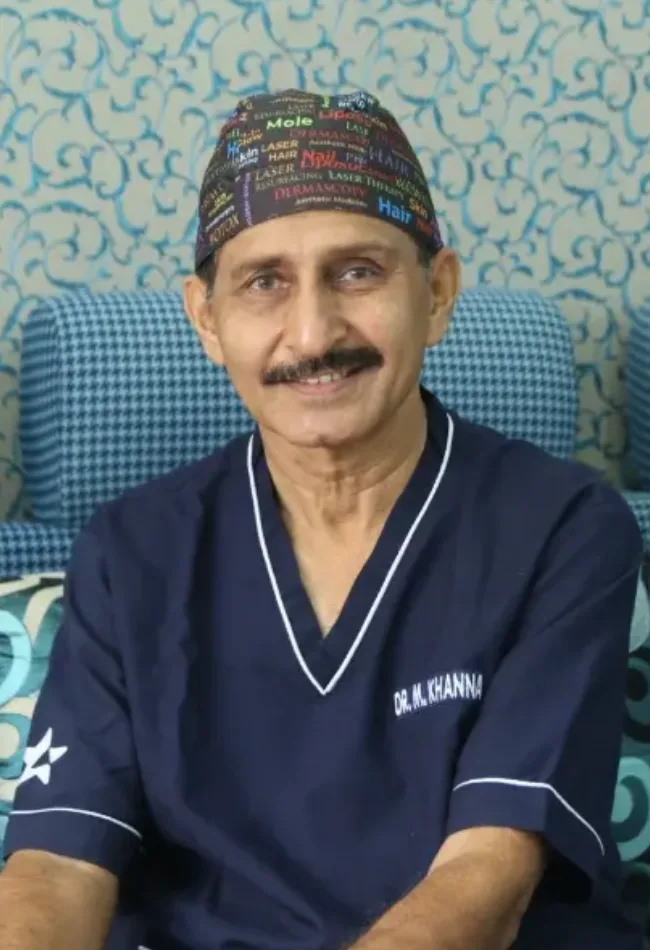
By Dr Manoj Khanna — Board-Certified Plastic Surgeon, MBBS, MS, MCh (Plastic Surgery) | 30+ Years of Experience Enhance Aesthetic & Cosmetic Studio, Loudon Street, Kolkata
Patient Experiences
4.7 ★★★★★
670+ Google reviews
Why Choose Dr Manoj Khanna for Fat Reduction Treatment
With more than 30 years of experience in plastic, cosmetic and reconstructive surgery, Dr Manoj Khanna plans body-contouring treatments around each patient’s anatomy, fat distribution, skin quality and desired outcome.
Advanced Fat Reduction Expertise
Expertise in advanced fat reduction procedures.
Precision-Focused Contouring
Precision-focused body contouring and sculpting.
Multiple Treatment Areas
Experience in abdomen, waist, thigh and arm contouring.
Advanced Treatment Techniques
High-precision VASER and laser fat reduction techniques.
Safety-Focused Treatment
Safe and effective fat reduction approaches.
Personalised Treatment Planning
Personalised treatment planning for balanced contours.
Awards

Clients

Client Satisfaction

Cosmetic Procedures

Key Facts at a Glance
| Information | Details |
|---|---|
| Procedure type | Surgical fat reduction and body contouring |
| Primary purpose | Reduction of stubborn, localised fat deposits |
| Common areas treated | Abdomen, waist, flanks, thighs, arms, back, chin, neck and male chest |
| Anaesthesia | Local anaesthesia with sedation or general anaesthesia, depending on the treatment |
| Treatment duration | Approximately 30 minutes to several hours, depending on the areas treated |
| Return to light activity | Usually within a few days, depending on recovery |
| Return to exercise | Gradually, following medical clearance |
| Results visible | Progressively as swelling settles |
| Performed by | Dr Manoj Khanna |
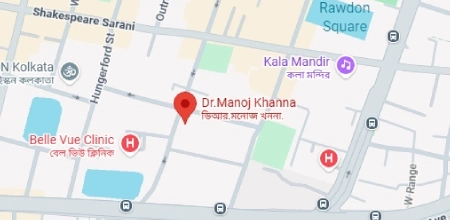
| Location | Suite 5A, Minto Park, Maruti Building, 12, Sir UN Brahmachari Sarani, opposite Bellevue Clinic, Kolkata, West Bengal 700017 |
What Is Surgical Fat Reduction?
Surgical fat reduction removes stubborn, localised fat deposits to improve body shape, contour and proportion. Liposuction is one of the principal surgical methods used to reduce fat that has not responded adequately to diet and exercise.
The aim is not simply to make an area smaller. Treatment is planned to create smoother transitions and better balance between different parts of the body. The main aim is:
- Reduce stubborn fat deposits
- Improve waist and body definition
- Create smoother body contours
- Improve proportion between different areas
- Help clothing fit more comfortably
- Address selected post-pregnancy or post-weight-loss changes

Is Fat Reduction a Weight-Loss Procedure?
No. Surgical fat reduction is a body-contouring procedure, not a substitute for weight loss. Weight loss reduces overall body weight, whereas surgical fat reduction targets specific deposits that affect shape and proportion.
The most suitable candidates are generally close to their preferred weight and have maintained a reasonably stable weight before treatment.
| Surgical Fat Reduction | Weight Loss |
|---|---|
| Targets selected fat deposits | Reduces overall body weight |
| Improves body contour | Supports general health and fitness |
| Creates a structural change in treated areas | Produces gradual whole-body change |
| Requires procedural planning and recovery | Depends primarily on diet, activity and lifestyle |
When to Consider Surgical Fat Reduction?
- Are close to your preferred body weight
- Have localised fat deposits
- Have maintained a stable weight
- Have reasonably good skin elasticity
- Are in good general health
- Do not smoke or are prepared to stop as advised
- Have realistic expectations about contour improvement
- Can follow the recommended recovery instructions
Treatment May Not Be Appropriate If You
- Are seeking substantial weight loss
- Have uncontrolled medical conditions
- Experience frequent or significant weight fluctuations
- Have expectations that surgery cannot realistically achieve
- Cannot follow the required aftercare and activity restrictions
What Dr Manoj Khanna Evaluates
- Overall body proportions
- The location and volume of fat deposits
- Skin quality and elasticity
- Underlying muscle tone
- Medical history and current health
- Previous surgical procedures
- Lifestyle factors and weight stability
- Expected outcome and long-term goals
Common Areas Treated During Body Contouring Surgery
| Type |
Overview
|
Treatment Time
|
Recovery Time
|
After Care
|
|---|---|---|---|---|
| Abdomen Fat Reduction | Removes stubborn abdominal fat deposits to improve waistline definition and flatter body contours. | 1–3 hours | 1–3 weeks | Compression garment use, hydration, walking and avoiding strenuous activities. |
| Waist and Love Handle Reduction | Targets excess fat around the waist and flanks for improved body proportions and contour balance. | 1–3 hours | 1–2 weeks | Compression support, limited twisting movements and proper hydration. |
| Thigh Fat Reduction | Removes excess thigh fat to improve lower-body contour and create smoother leg proportions. | 1–4 hours | 2–4 weeks | Compression garments, gradual walking and reduced leg strain during recovery. |
| Arm Fat Reduction | Improves upper-arm contour by removing stubborn fat deposits and enhancing arm definition. | 1–2 hours | 1–3 weeks | Compression sleeves, limited upper-arm strain and incision care. |
| Chin Fat Reduction | Reduces submental fat to improve jawline contour and facial-profile definition. | 30 minutes–2 hours | 1–2 weeks | Head elevation, compression support and avoiding excessive neck movement. |
| Back Fat Reduction | Targets excess fat around the upper and lower back for smoother body contours. | 1–3 hours | 1–3 weeks | Compression garments, hydration and gradual activity resumption. |
| Male Chest Fat Reduction | Removes excess chest fat to create a flatter and firmer masculine chest contour. | 1–3 hours | 1–3 weeks | Compression-vest use, restricted chest strain and follow-up monitoring. |
| Full-Body Liposuction | Addresses multiple treatment areas for comprehensive body-contour improvement and fat reduction. | 3–6 hours | 2–6 weeks | Extended compression use, hydration, monitored recovery and gradual activity progression. |
Which Fat Reduction Approaches May Be Considered?
Liposuction
Liposuction surgically removes stubborn fat deposits from selected areas. Consider it when the patient needs a more noticeable contour change than non-surgical treatment can generally provide.
Fat Reduction with a Tummy Tuck
Fat removal alone may not adequately address loose abdominal skin or separated abdominal muscles. In suitable patients, liposuction may be combined with abdominoplasty to remove excess skin, repair muscle laxity and improve abdominal contour.
Fat Transfer Body Contouring
Fat removed through liposuction may sometimes be purified and transferred to another area requiring additional volume or improved proportion. Possible treatment areas include the buttocks and hips.
Non-Surgical Fat Reduction
Non-surgical treatment may be considered for smaller, localised fat deposits when a patient prefers minimal downtime. However, it generally provides a less extensive change than surgical liposuction and may require multiple sessions.
Step-by-Step Procedure of Surgical Fat Reduction
Step 1
Precise Assessment and Goal Planning
Your specialist evaluates your concerns, reviews your medical records, explains expected outcomes, and designs a suitable fat reduction treatment strategy.
Step 2
Treatment-Area Mapping and Clinical Imaging
The specialist carefully marks targeted fat pockets, and photographs document baseline contours for accurate treatment planning and progress evaluation.
Step 3
Anaesthesia Administration
Local anaesthesia with sedation or general anaesthesia helps maintain patient comfort during liposuction involving deeper fat extraction and contour refinement.
Step 4
Tumescent Fluid Infiltration
A medicated saline solution is introduced into the treatment area to facilitate controlled fat removal and help reduce bleeding and bruising.
Step 5
Incisions and Cannula Insertion
Tiny, carefully positioned incisions allow the surgeon to insert a thin cannula and loosen stubborn fat deposits before controlled suction begins.
Step 6
Fat Extraction and Contour Refinement
The surgeon removes fat gradually while assessing contour, proportion, and transitions between treated and untreated areas.
Step 7
Closure and Compression
The surgeon carefully closes the incisions and applies compression garments to help manage swelling and support the newly treated contours.
Step 8
Recovery and Activity Resumption
Recovery requires gradual healing, restricted strenuous activity and the use of compression garments as instructed.
Does Surgical Fat Reduction Tighten Loose Skin?
Liposuction primarily removes fat. It does not remove substantial loose skin or repair separated abdominal muscles.
Patients with good skin elasticity may see a smoother contour after fat removal. When considerable skin laxity is present, another procedure—such as a tummy tuck, arm lift, thigh lift or body lift—may be more appropriate.
Surgical Fat Reduction vs Tummy Tuck Surgery
| Surgical Fat Reduction | Tummy Tuck Surgery |
|---|---|
| Primarily removes localised fat | Removes excess abdominal skin |
| Does not repair separated muscles | May tighten weakened or separated abdominal muscles |
| Suitable when skin elasticity is adequate | Suitable when loose skin affects abdominal contour |
| Uses smaller access incisions | Requires a longer abdominal incision |
| Focuses on contour refinement | Addresses fat, skin and muscle laxity when combined with liposuction |
Surgical Fat Reduction with Abdominoplasty
Some patients have both localised abdominal fat and loose skin or weakened abdominal muscles. In selected cases, liposuction and abdominoplasty may be combined to provide more comprehensive abdominal contouring.
During Combined Treatment
- Liposuction reduces selected fat deposits
- Excess abdominal skin is removed
- Separated or weakened muscles may be repaired
- The waist and abdominal outline are refined together
The suitability of a combined procedure depends on the patient’s anatomy, health, treatment extent and recovery requirements.
Recovery Timeline after Fat Reduction Treatment
Days 1–3: Rest, Recovery and Healing
Mild discomfort, swelling and bruising are common. Compression garments, medications and gentle walking help support a smooth recovery.
Days 4–7: Returning to Everyday Activities
Most patients can resume desk-based work within a week, as long as they continue post-procedure care and avoid heavy lifting.
Weeks 3–4: Gradual Return to Exercise
Bruising typically resolves, and swelling decreases. After medical clearance, you may resume light workouts and physical activity.
Months 1–3: Visible Improvement in Body Contours
As swelling settles, the treated areas appear more sculpted, and the results become increasingly noticeable.
Months 3–6: Final Results Take Shape
Internal healing progresses steadily, allowing final contour refinement, skin adaptation and long-lasting liposuction outcomes to develop.
Will There be Scars after Surgical Fat Reduction?
Surgical liposuction requires tiny incisions to insert the cannula. These incisions are generally positioned in discreet areas wherever possible.
Scar appearance may vary based on incision placement, individual healing, and aftercare. Patients should follow all wound-care and follow-up instructions provided by the clinic.
Risks & Safety Measures to Follow after Fat Reduction Treatment
Risks of Fat Reduction Treatment
- Temporary swelling and bruising after treatment
- Mild numbness around treated body areas
- Fluid build-up requiring occasional drainage
- Uneven contours during healing
- Skin looseness after significant fat removal
- Minor asymmetry
- Infection
- Rare blood-clot complications
- Delayed healing associated with smoking
- Contour changes following weight fluctuations
- Reduced contour smoothness in patients with poor skin elasticity
Safety Measures to Follow after Fat Reduction Treatment
- Wear compression garments as instructed
- Walk regularly to support healthy circulation
- Avoid strenuous exercise during early recovery
- Maintain adequate hydration
- Take prescribed medicines as advised
- Avoid smoking and alcohol during healing
- Attend scheduled follow-up appointments
- Maintain a stable body weight
- Follow incision-care instructions
- Maintain adequate protein intake during recovery
What Results Can You Realistically Expect?
Fat reduction treatment is intended to improve body shape and proportion, not create an unrealistic transformation.
Patients May Notice
- Reduced stubborn fat deposits
- Improved waist and body definition
- Smoother transitions between treated areas
- A more balanced silhouette
- Better fit in selected clothing
- Greater confidence in their body contour
Initial improvement may be visible as swelling settles. Contours generally become more refined over the following months. Maintaining a stable weight and healthy lifestyle can help preserve the result.
Factors Determining Pricing for Fat Reduction Treatment
The cost of fat reduction treatment depends on the number of treatment areas, the amount of fat being removed and the complexity of the planned contour refinement.
Below are the Factors Influencing the Price:
Number of Areas Treated
Volume of Fat Removed
Fat Reduction Technique Used
Combined Surgical Procedures
Treatment Complexity and Duration
Skin Quality and Contour Requirements
Hospital and Surgical Facilities
Anaesthesia and Post-Operative Care
Transform Your Shape with Advanced Fat Reduction in Kolkata
A detailed consultation helps determine whether surgical liposuction, another body-contouring procedure, or a non-surgical alternative is best for your anatomy and goals. Let’s connect today!
Schedule Your Consultation
Share a few details and the clinic team will guide you on the next step.
Frequently Asked Questions
Is fat reduction treatment suitable for weight loss?
Not exactly. Fat reduction treatment primarily improves body contour and removes stubborn localised fat deposits rather than serving as a weight-loss solution.
Are fat reduction treatment results permanent?
Long-term contour improvement may remain stable with proper weight maintenance, healthy lifestyle habits and regular physical activity.
How long does fat reduction treatment usually take?
Procedure duration may vary from 30 minutes to several hours, depending on the number of treatment areas involved.
Is fat reduction treatment painful?
Mild discomfort, swelling and tightness may occur during recovery, although prescribed medicines are commonly used to manage symptoms.
Can fat return after liposuction?
Remaining fat cells may enlarge with significant weight gain, underscoring the importance of maintaining a stable weight after treatment.
Can fat reduction remove loose skin?
Liposuction removes fat but does not remove substantial loose skin. A tummy tuck, arm lift, thigh lift or body lift may be considered when skin laxity is the principal concern.
Can different body-contouring procedures be combined?
Yes. Liposuction may sometimes be combined with a tummy tuck, fat transfer or another body-contouring procedure when the patient’s health, anatomy and goals make combined treatment appropriate.
Is non-surgical fat reduction as effective as liposuction?
Non-surgical treatment may improve smaller fat deposits with less downtime, but it generally does not produce the same degree of contour change as surgical liposuction.
How to know which fat reduction treatment is suitable for me?
A consultation and physical assessment are required to evaluate fat distribution, skin quality, body proportions, medical history and the expected degree of improvement.