Female Breast Reduction Surgery in Kolkata for Improved Comfort & Body Proportion
By Dr Manoj Khanna — Board-Certified Plastic Surgeon, MBBS, MS, MCh (Plastic Surgery) | 30+ Years of Experience Enhance Aesthetic & Cosmetic Studio, Loudon Street, Kolkata
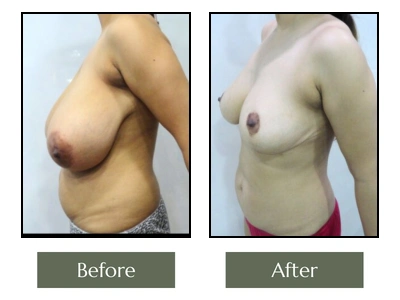
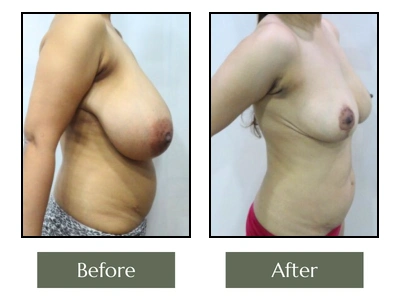
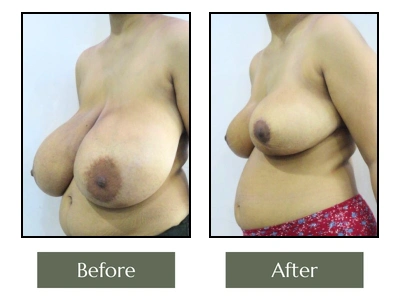
Female Breast Reduction Before & After Results
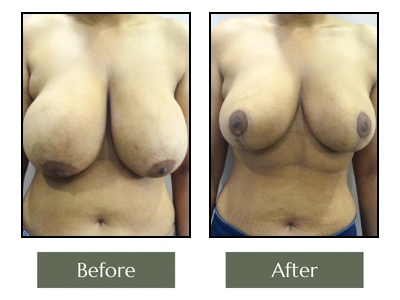
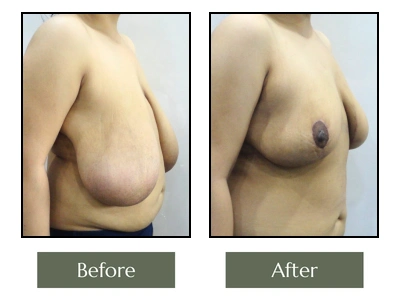
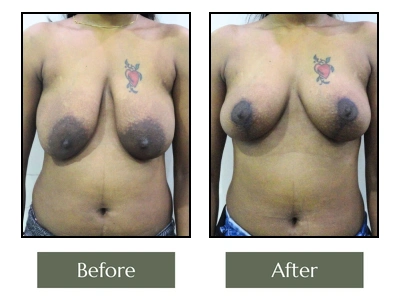
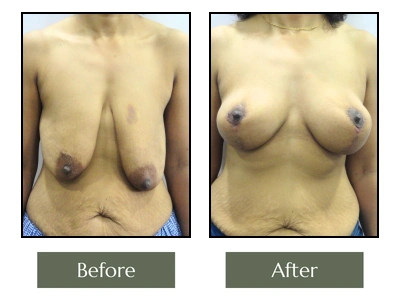
Patient Experiences
4.7 ★★★★★
670+ Google reviews
Why Choose Dr Manoj Khanna for Breast Reduction Surgery
Here is why you can trust Dr. Manoj Khanna for your breast reduction surgery in Kolkata:

Board-Certified Surgical Expertise
Dr Manoj Khanna is a board-certified plastic and cosmetic surgeon with over 30 years of experience.
International Aesthetic Training
He is internationally trained in advanced aesthetic and cosmetic surgery techniques.
Breast-Reshaping Experience
Expertise includes female breast reduction and cosmetic breast-reshaping procedures.
Conference Speaker and Trainer
He has been invited to speak and train surgeons at aesthetic surgery conferences.
Personalised Surgical Planning
Every procedure is planned according to the patient’s breast anatomy and body proportions.
Trusted by Indian and International Patients
Patients from India and overseas consult him for personalised cosmetic breast procedures.
Awards

Clients

Client Satisfaction

Cosmetic Procedures

Key Facts at a Glance
| Information | Details |
|---|---|
| Main goal | Reduce breast size and excess weight |
| Suitable for | Large, heavy or discomfort-causing breasts |
| Surgical technique | Breast-tissue removal and reshaping |
| Procedure duration | Approximately 3–5 hours |
| Anaesthesia | General anaesthesia |
| Nipple adjustment | Commonly repositioned |
| Breast-size outcome | Noticeably reduced breast volume |
| Skin tightening | Included in most procedures |
| Functional benefits | May help relieve neck, back and shoulder strain |
| Recovery period | Usually 4–6 weeks |
| Estimated cost range | ₹2 lakh–₹4 lakh |
| Performed by | Dr Manoj Khanna, MCh Plastic Surgery |
| Location | Suite 5A, Minto Park, Maruti Building, 12, Sir UN Brahmachari Sarani, opposite Bellevue Clinic, Kolkata, West Bengal 700017 |
What Is Breast Reduction Surgery?
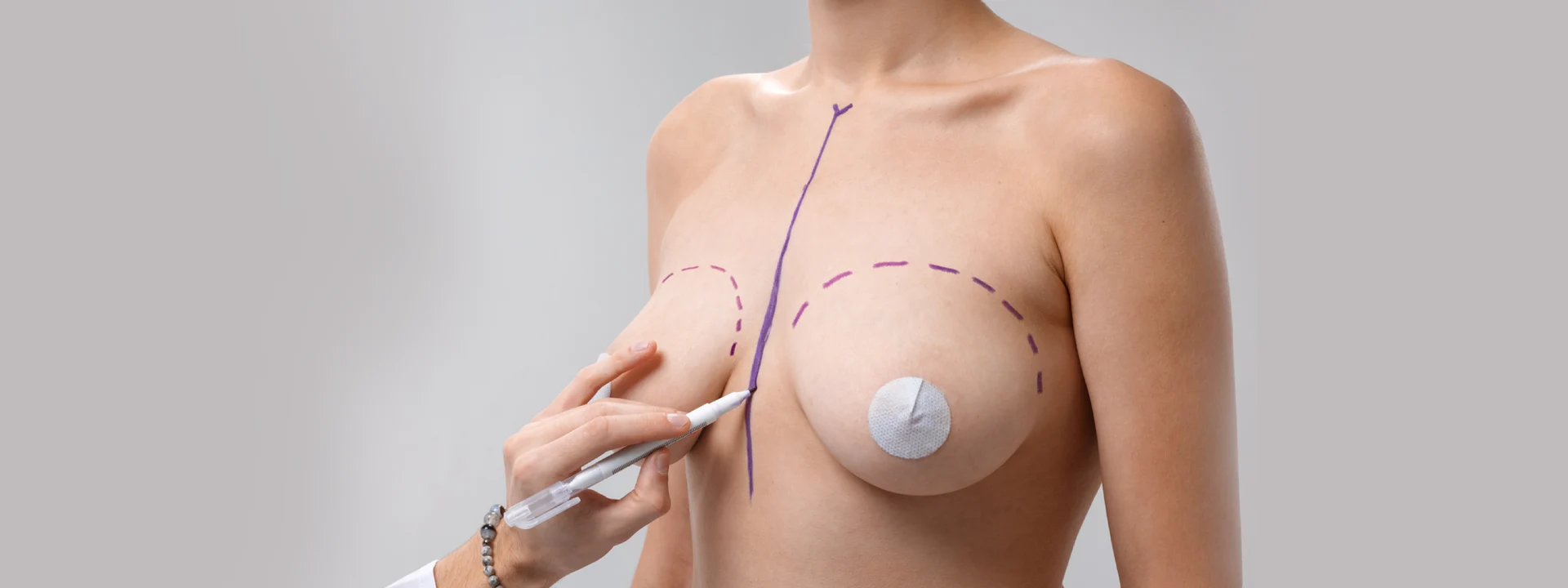
Breast reduction, also known as reduction mammoplasty, removes excess fat, glandular tissue and skin from the breasts. It aims to create smaller, firmer and more proportionate breasts.
The breast tissue is reshaped during surgery. The nipples and areolae may also be resized or repositioned to achieve a more natural-looking contour.
Is Breast Reduction Only a Cosmetic Procedure?
No. Breast reduction may address both physical and appearance-related concerns. Excessively large breasts can contribute to neck, shoulder or back discomfort. They may also affect posture, movement, exercise and clothing fit.
The procedure aims to reduce breast weight while improving proportion and everyday comfort. However, the degree of symptom improvement can vary between patients.
What are the Benefits of Breast Reduction Surgery?
- May reduce neck, shoulder and back discomfort
- Creates a lighter, more proportionate breast contour
- May improve posture, mobility and physical comfort
- Can make exercise and everyday activities more comfortable
- May improve clothing fit and body confidence
- Provides long-lasting results when body weight remains stable
When to Consult a Specialist?
- Large breasts cause neck, shoulder or back discomfort
- Bra straps leave deep shoulder marks
- Physical activity feels uncomfortable or restricted
- Breast heaviness affects posture or daily comfort
- Skin irritation develops beneath the breasts
- Clothing fit feels difficult due to breast size
- Breast asymmetry affects body confidence
What Does Dr Khanna Evaluate During Assessment?
The assessment helps determine whether breast reduction is appropriate and how the procedure should be planned. It may include an evaluation of:
- Current breast size and weight
- The amount of excess skin and breast tissue
- Skin quality and elasticity
- Breast and nipple position
- Differences between the two breasts
- Physical symptoms associated with breast heaviness
- Body proportions and preferred breast size
- General health and surgical suitability
- Future pregnancy or breastfeeding plans
- Expectations regarding scars and recovery
How to Plan a Natural and Proportionate Breast Contour?
Breast reduction is not simply about removing the maximum amount of tissue. The aim is to reduce breast weight while maintaining a balanced shape that suits the patient’s body proportions.
The surgical plan considers breast size, skin condition, nipple position and the amount of reduction required. The remaining tissue is reshaped to create a firmer and more natural-looking contour.
Step-by-Step Procedure of Female Breast Reduction Surgery
Step 1
Anaesthesia Administration
General anaesthesia is commonly administered to keep the patient comfortable and pain-free throughout the breast-reduction procedure.
Step 2
Strategic Incision Planning
The incision technique depends on breast size, skin elasticity and reduction goals. Common approaches include anchor or inverted-T, lollipop or vertical-scar, and liposuction-assisted techniques. The selected incision pattern depends on the patient’s anatomy and the amount of tissue and skin requiring removal.
Step 3
Excess Tissue and Fat Removal
The surgeon removes excess breast tissue, fat and loose skin to reduce breast volume and relieve physical discomfort caused by heavy breasts.
Step 4
Nipple and Areola Repositioning
The nipple and areola are repositioned to a higher, natural-looking level while maintaining breast symmetry and proportion whenever possible.The areola may also be resized when required to match the reduced breast contour.
Step 5
Breast Reshaping and Surgical Closure
The remaining breast tissue is reshaped to create a firmer, more proportionate contour before the incisions are carefully closed.
Step 6
Surgical Dressing and Recovery Support
Dressings, drainage tubes and a supportive compression bra may be applied to help reduce swelling and support early healing.
Can Liposuction Be Used During Breast Reduction?
Its suitability depends on the amount and type of tissue contributing to breast size.
When excess glandular tissue or loose skin is present, surgical tissue removal and reshaping may still be required. The appropriate approach is selected after examining the breasts.
Risks and Safety Measures to Follow After Female Breast Reduction Surgery
Risks of Female Breast Reduction Surgery
- Swelling and temporary discomfort may occur
- Bruising may appear around surgical areas
- Scarring develops gradually during healing
- Temporary nipple-sensation changes may occur
- Minor breast asymmetry may develop during recovery
- Delayed wound healing may occur in some patients
- Fluid accumulation or infection may develop
- Temporary firmness or tightness may occur initially
- Additional corrective procedures may sometimes be required
Safety Measures to Follow After Breast Reduction Surgery
- Wear support garments exactly as advised
- Avoid heavy lifting during early recovery
- Sleep in the recommended positions initially
- Avoid strenuous exercise temporarily
- Keep incision areas clean and dry
- Attend scheduled follow-up appointments
- Avoid smoking during the healing phase
- Take prescribed medicines exactly as instructed
- Follow scar-care instructions carefully
Please Note: Patient safety depends on appropriate assessment, careful surgical planning and adherence to individual aftercare instructions.
Recovery Timeline After Female Breast Reduction Surgery
Recovery varies according to the amount of reduction, incision pattern and individual healing response.
Initial Post-Surgery Recovery — Days 1–7
Swelling, tightness, bruising and soreness are common during the first week after breast-reduction surgery. Surgical bras, rest and limited upper-body movement are essential during this phase.
Early Healing & Daily Movement (Weeks 2–3)
Discomfort gradually improves as swelling starts to reduce and healing progresses internally. Most patients return to desk work and light daily activities while avoiding heavy lifting.
Breast Settling and Activity Transition — Weeks 4–6
Breast shape begins settling into a more natural contour as incision healing improves. Light exercise may gradually resume, although strenuous activities remain restricted.
Long-Term Recovery and Scar Maturation — 3–12 Months
Residual swelling continues improving while scars gradually flatten and fade. Final breast shape, softness and contour become more noticeable during healing.
Will There Be Scars After Breast Reduction Surgery?
Breast reduction requires surgical incisions, so some scarring is expected. The position and length of the scars depend on the incision pattern and extent of reduction.
Scars usually soften and fade gradually as healing progresses. However, their final appearance differs between patients. Following wound-care and scar-care advice may support better healing.
What Results Can You Realistically Expect?
Breast reduction can create smaller, lighter and more proportionate breasts. Many patients also report improved comfort, movement, posture and clothing fit after recovery.
Initial results become visible as swelling reduces. The final breast shape develops gradually over several months. Significant weight changes, pregnancy, breastfeeding, hormonal changes and ageing may affect breast size or shape later.
The aim is meaningful reduction and improved proportion—not perfect symmetry or an identical outcome for every patient.
Related Breast and Body-Contouring Procedures
Depending on the patient’s concern, the following procedures may also be discussed:
- Breast lift surgery
- Breast augmentation
- Male breast reduction or gynecomastia surgery
- Liposuction
- Other body-contouring procedures
These are separate procedures and are recommended only when relevant to the patient’s treatment goals.
Factors Determining Pricing for Female Breast Reduction Surgery
The cost of female breast-reduction surgery in India usually depends on the extent of breast reduction required and the overall surgical complexity involved.
Important factors that may influence breast-reduction cost include:
Extent of breast reduction required
Surgical complexity and correction extent
Breast size and skin condition
Operating facility and hospital charges
Anaesthesia requirements
Post-surgical recovery support
Combination procedures, if planned
Individual treatment-planning requirements
Feel Lighter and More Comfortable With Breast Reduction Surgery in Kolkata
Advanced female breast-reduction surgery by Dr Manoj Khanna focuses on relieving heaviness, improving body balance and creating natural-looking breast contours.
If large or heavy breasts affect your comfort, posture, movement or confidence, a personalised consultation can help determine whether breast reduction is appropriate for you.
Schedule Your Consultation
Share a few details and the clinic team will guide you on the next step.
Frequently Asked Questions About Breast Reduction Surgery
Who may be considered suitable for female breast-reduction surgery?
Women experiencing physical discomfort, posture-related symptoms or dissatisfaction due to excessively large breasts may be evaluated for surgery.
Will breast-reduction surgery leave scars?
Some scarring is expected after surgery. Incision planning and proper aftercare aim to reduce scar visibility gradually over time.
Can breast-reduction surgery help improve back and shoulder discomfort?
Many patients report improvement in neck, shoulder and back discomfort after reducing excess breast weight. Individual results may vary.
When can normal activities usually resume after surgery?
Light activities may gradually resume within days. Strenuous exercise is usually restricted for several weeks.
Can breasts change again after reduction surgery?
Yes. Ageing, hormonal changes, pregnancy and significant weight fluctuations may influence breast shape and size over time.
Can breastfeeding be affected by breast reduction?
Breastfeeding may remain possible after surgery, but this depends on the surgical method and individual anatomy. Patients planning a future pregnancy should discuss this during consultation.
Is breast reduction surgery painful?
Temporary soreness and discomfort are common during early recovery. Prescribed medication and appropriate aftercare can help manage these symptoms.
How soon can someone return to work?
Many patients resume non-strenuous or desk-based work within one to two weeks. The exact timeline depends on healing and the nature of the patient’s work.