Tummy Tuck Surgery in Kolkata for a Firmer & Better-Defined Abdominal Contour
Tummy Tuck Before & After Results
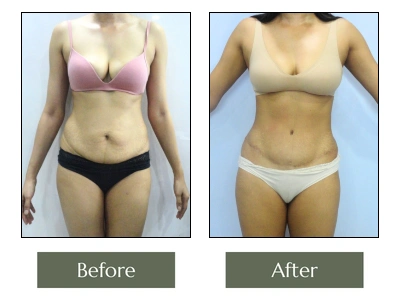
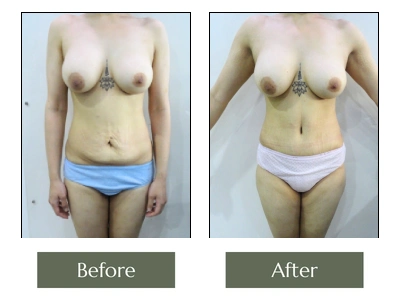
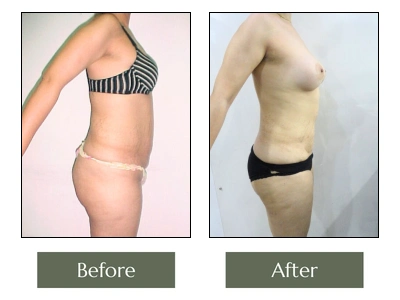
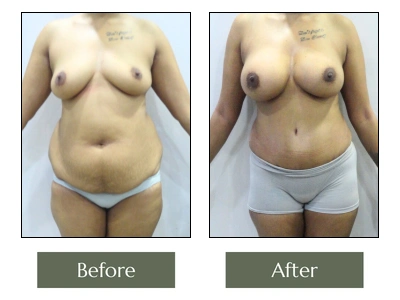
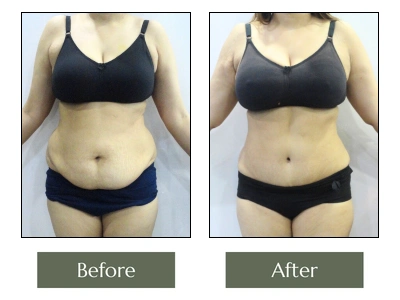
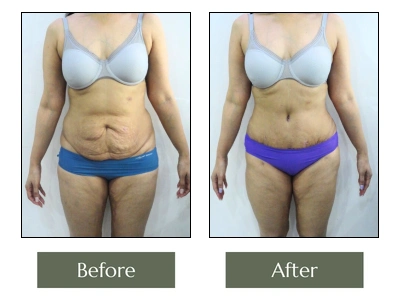
What is a Tummy Tuck or Abdominoplasty?
Abdominoplasty, commonly called a tummy tuck, is a surgical procedure that removes excess abdominal skin and fat while tightening weakened or separated muscles. The aim is to create a firmer, flatter abdomen and improve waistline definition.
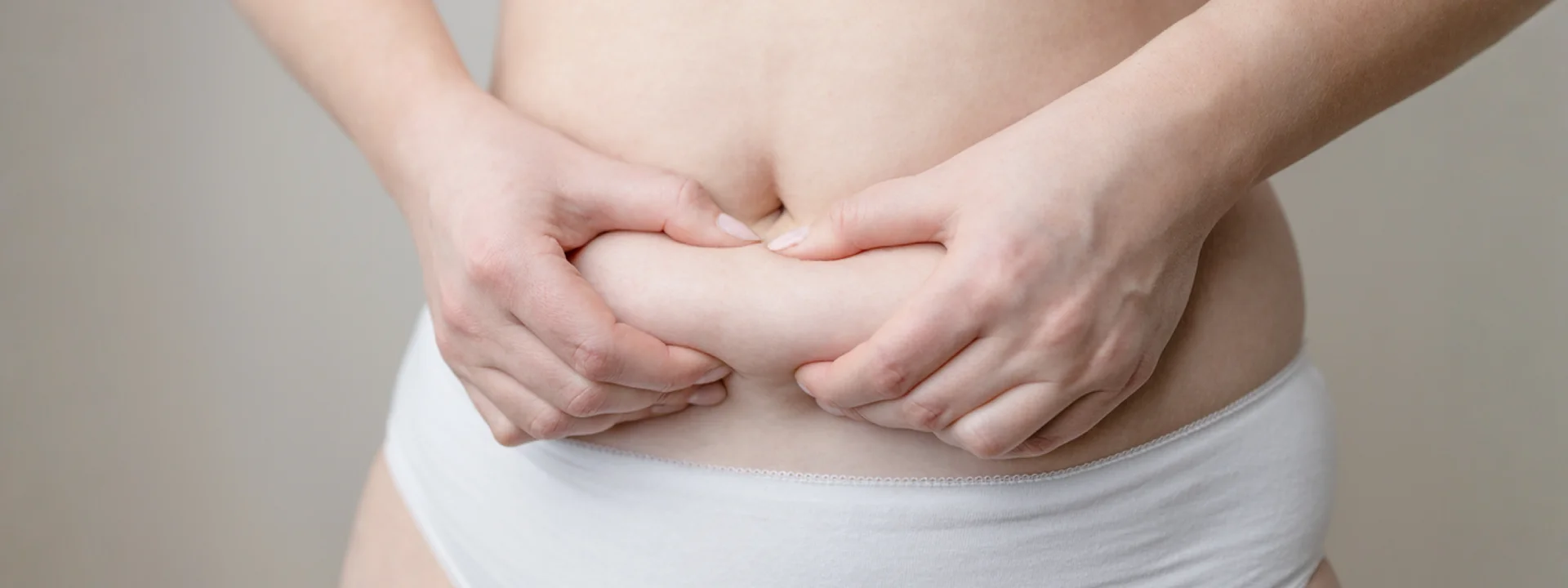
It may be considered when pregnancy, ageing or significant weight loss leaves loose skin and abdominal bulging that does not improve through exercise alone.
How Would You Benefit from Abdominoplasty?
- Creates a flatter and firmer abdominal contour
- Removes loose or hanging abdominal skin
- Repairs weakened or separated abdominal muscles
- Improves waistline shape and body proportion
- May remove stretch marks located within the excised skin
- May improve core support and posture
- Can improve clothing fit and body confidence
- Provides long-lasting contour improvement when weight remains stable
Is Tummy Tuck Surgery a Weight-Loss Procedure?
No. Tummy tuck surgery is a body-contouring procedure, not a treatment for obesity or a substitute for weight loss. It is designed to address loose skin, weakened muscles and selected fat deposits after the patient has reached a stable weight.
Patients who are planning substantial weight loss may be advised to reach and maintain their target weight before undergoing surgery.
When Should You Consider a Consultation with an Expert?
- Loose belly skin remains after weight loss
- You have abdominal bulging after pregnancy
- Lower tummy fullness remains despite exercise
- Hanging abdominal skin affects clothing confidence
- Your waistline has reduced definition and shape
- You have stretch marks on loose lower abdominal skin
- Your abdominal muscles feel weak or separated
- You want a firmer, flatter abdomen
What Dr Khanna Evaluates During Assessment?
Amount and Location of Excess Skin: The examination determines whether loose skin is limited to the lower abdomen or extends across the abdomen, flanks and lower back.
Abdominal Muscle Separation: The abdominal wall is assessed for weakness or separation that may require surgical tightening.
Fat Distribution: Localised fat around the abdomen, waist or flanks is evaluated to determine whether liposuction should be combined with skin removal.
Navel Position: The need for navel repositioning depends on whether a full or extended abdominoplasty is planned.
Existing Scars or Hernia Concerns: Previous abdominal scars and any additional concerns that may affect surgical planning are reviewed.
Health, Weight and Expectations: Medical history, current medicines, weight stability, smoking history and expected results are discussed before surgery.
Types Of Tummy Tuck Surgery
Each technique is selected according to the extent and location of loose skin, muscle weakness and surrounding fat deposits.
| Type |
Overview
|
Recovery
|
Aftercare Focus
|
|---|---|---|---|
| Full Abdominoplasty | Removes excess skin, tightens the full abdominal muscles and includes navel repositioning | Moderate recovery: 2–4 weeks of initial healing | Compression support, limited strain and gradual mobility |
| Mini Abdominoplasty | Targets the lower abdomen below the navel for mild skin laxity | Faster recovery: 1–2 weeks of initial healing | Early movement, basic wound care and avoidance of strain |
| Extended Abdominoplasty | Treats the abdomen, flanks and lower back for wider contour correction | Longer recovery: 3–6 weeks of initial healing | Strict compression, posture care and staged return to activity |
Tummy Tuck Procedure Steps (Full, Mini & Extended Abdominoplasty)
Full Abdominoplasty (Full Tummy Tuck Procedure – Step by Step)
Incision Placement
A low horizontal hip-to-hip incision is made, along with a circular incision around the navel to detach the surrounding tissue.
Flap Elevation
Abdominal skin and fat are lifted from the muscle layer up to the rib cage, keeping the navel attached underneath.
Muscle Repair (Plication)
Separated abdominal muscles are tightened and sutured together to restore core strength, flatten the abdomen and improve waist contour.
Excess Skin Removal & Liposuction
Excess skin is trimmed after downward repositioning, and liposuction may be performed to contour the abdomen and flanks for smoother definition.
Navel Repositioning
A new opening is created in the repositioned skin, and the natural belly button is brought through and secured.
Closure & Recovery Setup
The surgeon closes incisions in layers, may place drains to prevent fluid build-up, and applies a compression garment after surgery.
Mini Abdominoplasty (Mini Tummy Tuck) – Step-by-Step Procedure
Anaesthesia Administration
General anaesthesia or IV sedation with local anaesthesia is administered to maintain comfort throughout the procedure.
Incision Placement
A short horizontal incision is made above the pubic hairline, typically four to eight inches long, and positioned to remain hidden under underwear.
Liposuction Contouring
Liposuction is commonly performed to remove stubborn fat deposits and improve contouring across the lower abdomen, flanks and surrounding waistline areas.
Tissue Separation
The surgeon gently lifts skin and fat from the underlying muscle only below the navel, limiting dissection and preserving the upper abdominal structures and blood supply.
Muscle Tightening
If present, mild lower abdominal muscle separation is repaired using sutures to create a firmer, flatter lower abdominal profile and improved support.
Excess Skin Removal
Loose lower abdominal skin is stretched downwards, and excess tissue is precisely measured and removed to achieve a smoother and tighter contour.
Closure & Compression
The surgeon closes incisions in layers with dissolvable sutures, may place drains, and applies a compression garment to minimise swelling.
Extended Abdominoplasty (Extended Tummy Tuck) – Step-by-Step Procedure
Pre-Operative Markings
Surgical areas and extended incision lines are marked while standing, mapping contouring across the abdomen, hips and lower back for precise planning.
Anaesthesia Administration
General anaesthesia or spinal block with IV sedation is administered to maintain comfort and stable surgical conditions throughout the procedure.
Liposuction Contouring
Liposuction is often performed across the abdomen, flanks and hips to remove excess fat and improve contouring before skin excision.
Incision Placement
A long horizontal incision is made low on the abdomen, extending beyond the hips towards the lower back for wider surgical access.
Skin Elevation
Skin and fat are lifted from the abdominal wall up to the rib cage, allowing exposure of the underlying muscles for correction.
Muscle Repair
Separated abdominal muscles are tightened and sutured vertically, restoring core support, flattening the abdomen and improving waistline definition.
Belly Button (Navel) Repositioning
The belly button is freed from the surrounding skin, preserved on its stalk and later brought through a new opening for natural placement.
Excess Skin Removal
Excess skin and tissue across the abdomen, flanks and lower back are pulled tight, trimmed and reshaped to achieve a smoother contour.
Closure & Compression
Incisions are closed in layers with drains placed, followed by dressings and compression garments to reduce swelling and support healing tissues.
Can Tummy Tuck Surgery Be Combined With Liposuction?
Yes. Liposuction may be combined with abdominoplasty when excess abdominal or flank fat affects the overall contour. Liposuction removes selected fat deposits, while abdominoplasty removes loose skin and repairs weakened abdominal muscles.
The combination is planned according to skin quality, fat distribution and the degree of abdominal correction required.
Risks & Safety Measures After Tummy Tuck Surgery
Risks Of Tummy Tuck Surgery
- Seroma: Fluid build-up causing swelling
- Haematoma: Blood build-up beneath the skin
- Poor Healing: Delayed incision healing
- Tissue Necrosis: Rare skin-tissue damage
- Permanent Scar: Visible lower abdominal scarring
- Reduced Sensation: Temporary numbness may occur
- Contour Irregularities: Uneven abdominal contour is possible
- Blood Clots: Rare clots in the legs or lungs
- Anaesthesia Risks: Possible breathing or heart complications
- Infection Risk: May require medical treatment
Safety Measures After Surgery
- Light Walking Only: Promotes circulation; avoid strain or exercise
- Bent Posture: Reduces tension on the incision during early healing
- No Nicotine or NSAIDs: Helps reduce healing and bleeding risks
- Compression Use: Controls swelling and supports tissues
- Drain & Wound Care: Keep the area clean and dry, and monitor drain output
- Heavy Lifting: Avoid weights above 5–7 kg for 3–4 weeks
- Stomach Sleeping: Avoid pressure on the healing abdomen
- Tight Binders: Avoid excessive pressure that may affect healing
- Right Diet: Follow a balanced diet to support recovery and weight stability
- Follow-up Consultations: Attend appointments as scheduled
Recovery Timeline After Tummy Tuck Surgery
The exact recovery period depends on the type of abdominoplasty, extent of muscle repair and individual healing response.
Days 1–7
Drains, swelling and limited mobility are expected; assistance is usually required at home. Walk slightly bent, sleep elevated, and wear compression continuously to support healing.
Weeks 2–3
Most patients resume desk work; swelling, tightness, and numbness gradually improve. Movement becomes easier, but lifting, strain, and core engagement must still be avoided.
Weeks 4–6
Visible contour improves as swelling reduces and the abdomen begins to settle. Light activities can resume, but intense workouts and heavy lifting remain restricted.
Month 3+
Most swelling resolves, and the final abdominal shape becomes clearer. Scars continue to mature, flatten and fade over the following months. Most patients can return to light activity within approximately 10–14 days.
Will There Be a Scar After Tummy Tuck Surgery?
Yes. A tummy tuck leaves a horizontal scar across the lower abdomen. The incision is positioned as low as the surgical plan allows so that it can usually remain concealed beneath underwear or swimwear.
An additional scar around the navel may be required during full or extended abdominoplasty. Scars generally flatten and fade gradually, although their final appearance depends on skin type, healing and aftercare.
What Results Can You Realistically Expect?
Abdominoplasty can create a flatter, firmer abdomen by removing loose skin and repairing weakened muscles. It may also improve waistline definition when combined with appropriately planned liposuction.
The outcome develops gradually as swelling reduces. Final abdominal contours may become clearer within approximately two to three months, while scars continue to mature for longer.
The objective is natural-looking improvement in abdominal proportion—not a standardised or artificially tight result.
Factors Determining Tummy Tuck Surgery Cost In Kolkata
Tummy tuck pricing is not one-size-fits-all—it varies based on your body, goals and surgical requirements. Understanding these factors helps you set realistic expectations before planning your surgery.
Factors Influencing Cost Include:
Procedure Type: Mini, full, or Extended.
Complexity: Advanced Contouring Increases Cost
Muscle Repair: Adds Surgical Time and Precision
Liposuction: Additional Areas Affect Pricing
Additional Corrections: Hernia or Scar Correction
Surgeon Expertise: Influences Planning and Fees
Facility: Accredited Surgical Setup Affects Pricing
Anaesthesia: Charges Depend on Type and Duration
Location: Kolkata Clinic and Facility Factors
Recovery: Tests, Medicines and Compression Garments
Ready for a Flatter, Tighter Abdomen in Kolkata
Stubborn belly fat and loose skin won’t fix themselves—but the right surgery can.
Get a sculpted, natural-looking waistline with advanced tummy tuck surgery performed by Dr Manoj Khanna, designed around your body—not a template.
Patients travelling from outside Kolkata or India can begin their evaluation through an online or WhatsApp consultation before planning their clinic visit.
Schedule Your Consultation
Share a few details and the clinic team will guide you on the next step.
Key Facts at a Glance
| Information | Details |
|---|---|
| Procedure Type | Surgical abdominal contouring |
| Procedure Options | Full, mini or extended abdominoplasty |
| Concerns Addressed | Loose abdominal skin, localised fat, weakened or separated abdominal muscles and reduced waistline definition |
| Anaesthesia | Usually general anaesthesia; the approach depends on the procedure and surgical plan |
| Typical Procedure Time | Approximately 2–3 hours, depending on the extent of correction |
| Initial Recovery | Approximately 10–14 days before returning to light activities |
| Compression Garment | Usually advised for 4–6 weeks |
| Results Visible | Progressively, with clearer improvement over approximately 2–3 months |
| Performed By | Dr Manoj Khanna |
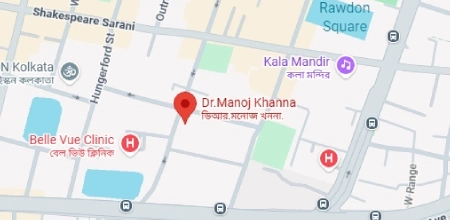
| Location | Suite 5A, Minto Park, Maruti Building, 12, Sir UN Brahmachari Sarani, opposite Bellevue Clinic, Kolkata, West Bengal 700017 |
Frequently Asked Questions
Who is an ideal candidate for tummy tuck surgery?
Tummy tuck surgery may be suitable for individuals with excess abdominal skin, weakened abdominal muscles or stubborn fat that does not improve with diet and exercise. It is commonly considered after pregnancy or significant weight loss when the abdomen no longer feels firm or proportionate.
What is the difference between liposuction and tummy tuck surgery?
Liposuction mainly removes stubborn fat, while tummy tuck surgery removes loose skin and tightens weakened abdominal muscles for a firmer abdominal contour. Combination procedures may address both concerns together.
Can tummy tuck surgery help after pregnancy?
Yes. Tummy tuck surgery is often chosen after pregnancy to address loose skin, muscle separation, abdominal bulging and changes that do not improve with exercise alone.
Is tummy tuck surgery painful?
Pain and tightness are usually most noticeable during the first week and gradually improve over the following one to two weeks. Prescribed medicines and post-operative care help manage discomfort.
How long do tummy tuck results last?
Tummy tuck results can remain stable for many years when body weight is maintained. Pregnancy, significant weight changes and natural ageing may alter the abdominal contour over time.
Patient Experiences
4.7 ★★★★★
670+ Google reviews
Why Choose Dr Manoj Khanna for Tummy Tuck Surgery in Kolkata?
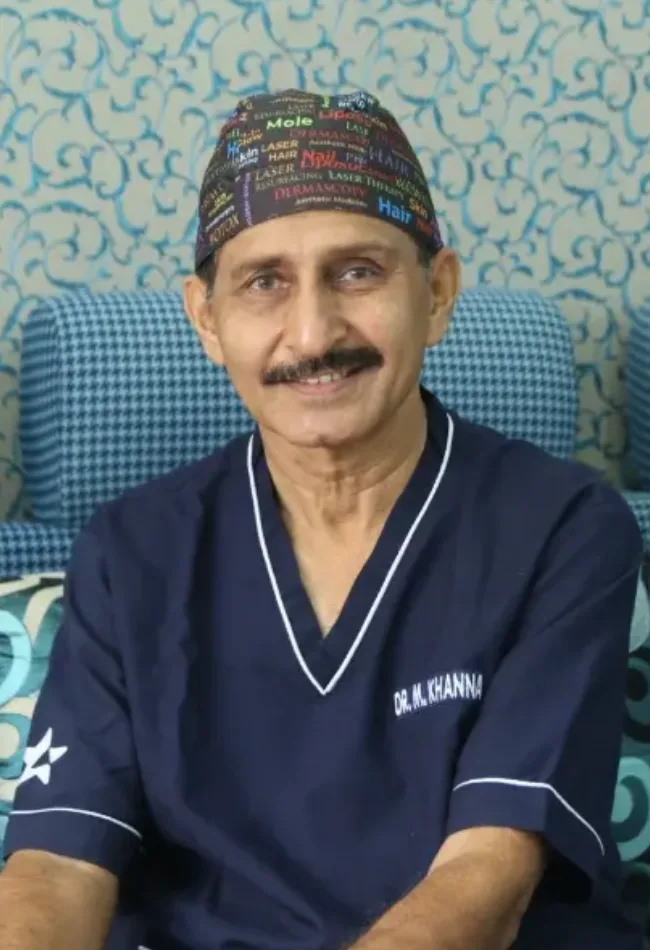
Patients from Kolkata, elsewhere in India and abroad consult Dr Manoj Khanna for abdominal contouring planned around their anatomy and degree of correction required.
Advanced Abdominal Contouring Precision
More than 30 years of surgical experience in body-contouring procedures, with attention to abdominal shape and waistline definition.
Management of Complex Skin & Muscle Laxity
Experience in addressing excess skin, abdominal muscle separation and changes following pregnancy or major weight loss.
Structured, Case-Specific Surgical Planning
The choice between full, mini and extended abdominoplasty is based on the location and extent of skin, fat and muscle laxity.
Refined Waistline Definition Techniques
Liposuction may be incorporated when additional fat reduction and contour refinement are required.
Protocol-Driven Recovery and Follow-Up Care
Detailed post-surgical instructions, compression support and scheduled follow-up care are provided during recovery.
Consistent Focus on Natural Body Proportions
The treatment is planned to create a balanced abdominal contour that complements the patient’s overall body shape.
Awards

Clients

Client Satisfaction

Cosmetic Procedures