GFC Treatment in Kolkata for Natural Hair Regrowth and Density
Patient Experiences
4.7 ★★★★★
670+ Google reviews
Why Choose Dr Manoj Khanna
Dr Manoj Khanna offers personalised GFC treatment based on the cause, pattern and stage of hair loss.
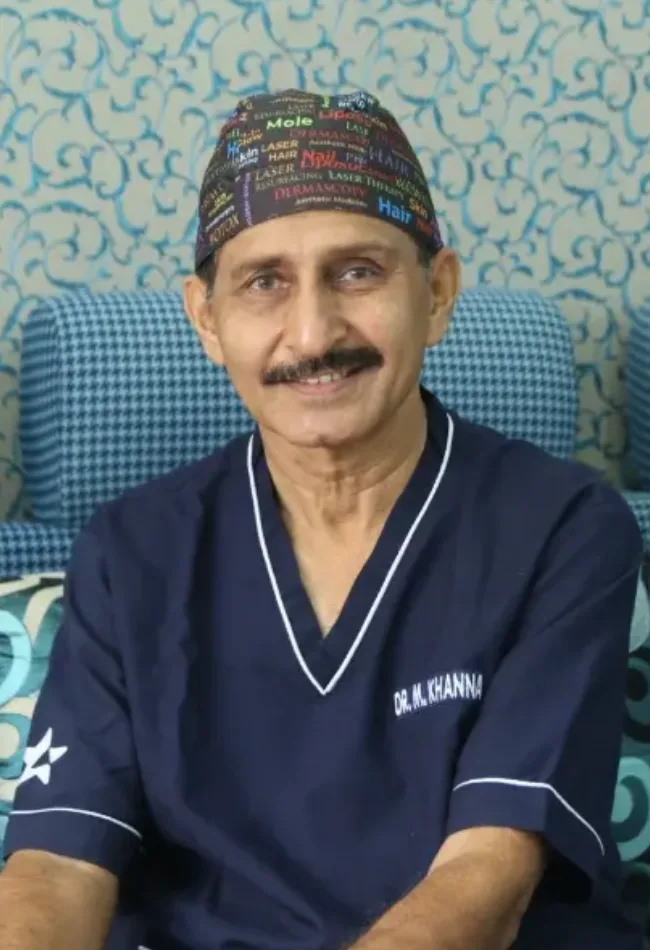
30+ Years of Hair-Restoration Experience
Experience across medical, regenerative and surgical treatments supports appropriate treatment selection.
Detailed Scalp Assessment
We evaluate the scalp, hair-loss pattern, follicular activity, and medical history before treatment.
Personalised GFC Planning
The target areas, treatment course and follow-up plan are customised for each patient.
Specialised GFC Processing
The patient’s blood is processed using a specialised method to prepare concentrated growth factors.
Realistic Treatment Guidance
We clearly discuss expected benefits, limitations, and the gradual nature of results.
Combined Hair-Restoration Approach
GFC may be incorporated into a broader hair-restoration plan when clinically appropriate.
Awards

Clients

Client Satisfaction

Cosmetic Procedures

Key Facts at a Glance
| Information | Details |
|---|---|
| Procedure Type | Minimally invasive regenerative treatment |
| GFC Full Form | Growth Factor Concentrate |
| Material Used | Concentrated growth factors prepared from the patient’s blood |
| Primary Use | Hair thinning, excessive shedding and early-to-moderate pattern hair loss |
| Other Use on the Target Page | Selected skin-rejuvenation concerns following assessment |
| Anaesthesia | Topical numbing may be used when required |
| Incisions or Stitches | Not required |
| Hospital Stay | Not required |
| Return to Routine | Most patients can resume routine activities shortly afterwards |
| Results | Develop gradually and vary between patients |
| Performed Under | The medical supervision of Dr Manoj Khanna, MCh Plastic Surgery |
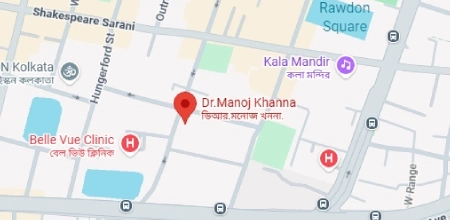
| Location | Suite 5A, Minto Park, Maruti Building, 12, Sir UN Brahmachari Sarani, opposite Bellevue Clinic, Kolkata, West Bengal 700017 |
What Is GFC Treatment?
GFC stands for Growth Factor Concentrate. It is a regenerative treatment that uses concentrated growth factors prepared from a small sample of the patient’s blood.
The sample undergoes specialised processing to release and isolate growth factors. The prepared solution is then administered to selected areas of the scalp with thinning or early hair loss.
Unlike conventional PRP, which contains platelets together with growth factors, GFC focuses on delivering a prepared concentration of released growth factors.
GFC is a non-surgical outpatient treatment. However, it cannot restore inactive follicles or treat every cause of hair loss. A detailed evaluation is necessary before recommending it.
How Does GFC Support Hair Growth?
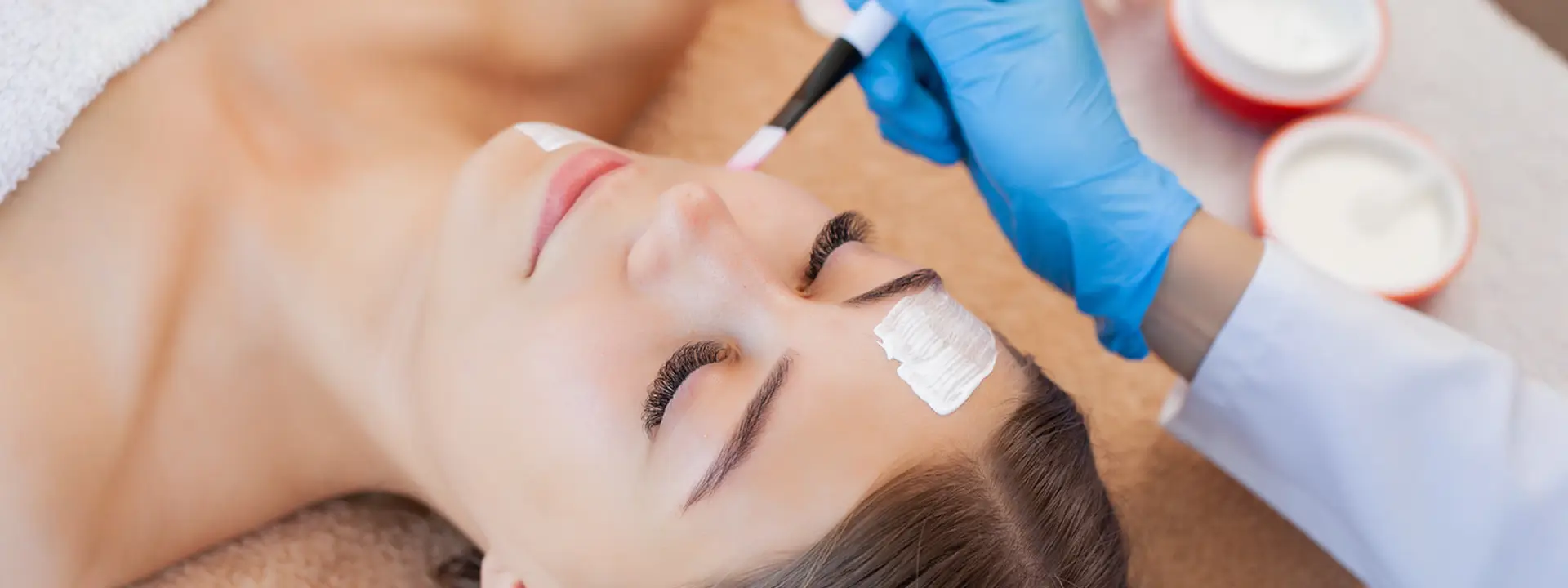
Growth factors within the prepared concentrate are delivered to areas containing weakened but active follicles. They aim to support follicular activity, improve scalp health and encourage healthier hair-growth cycles.
GFC may help reduce excessive shedding and gradually improve the texture, strength and visible density of existing hair. It does not transplant new follicles into the scalp.
Response varies by the cause and stage of hair loss, follicular activity, genetics, age, and treatment consistency.
When to Consider Consulting a GFC Treatment Specialist?
- Hair fall continues despite previous care
- Hair thinning is becoming noticeable
- Hair growth appears slow or weak
- Scalp density is gradually reducing
- You want to support weakened hair follicles
- Early ageing changes concern you
- Your skin texture feels uneven
- You prefer a regenerative treatment
- Long-term hair maintenance matters to you
- Have early-to-moderate hair thinning
- You still have active follicles in the affected areas
- Want an alternative to conventional PRP
- You understand that improvement develops gradually
What Does Dr Khanna Evaluate Before GFC Treatment?
- The cause, stage and pattern of hair loss
- Scalp health and the condition of existing follicles
- Whether active follicles remain in thinning areas
- The degree of shedding and reduced density
- Male or female pattern hair loss
- Medical history and possible contributing factors
- Previous hair-loss treatments
- Active scalp infection or inflammation
- Expected outcome and long-term hair-restoration goals
- Whether GFC, PRP, hair transplant or combined care is more appropriate
Common Concerns Addressed With GFC Treatment
Pattern Hair Loss in Men and Women
GFC may be considered for eligible men and women with androgenetic or pattern hair loss where active follicles remain. The aim is to support affected follicles rather than create new follicles in completely bald areas.
Hair Thinning and Reduced Density
The treatment supports weakened follicles and may gradually improve scalp coverage and the appearance of existing hair.
Excessive Hair Fall
Concentrated growth factors may help strengthen hair roots and support healthier growth cycles in suitable patients.
Weak, Dull and Lifeless Hair
GFC may improve follicular support, helping existing hair appear stronger and healthier over time.
Early-to-Moderate Hair Loss
Early assessment may help determine whether GFC can support follicular activity before hair loss becomes more advanced.
Selected Skin-Rejuvenation Concerns
The existing target page also positions GFC for selected skin-texture, dullness and early-ageing concerns. Suitability should be established through an individual assessment.
GFC Treatment Benefits
| Benefits |
How It Helps
|
|---|---|
| Concentrated Regenerative Support | Uses prepared growth factors to support follicular activity and tissue renewal. |
| Targeted Hair and Skin Care | Treatment is customised according to individual concerns and assessment findings. |
| Minimal Downtime | The minimally invasive procedure causes little disruption to routine activities. |
| Natural-Looking Improvement | Changes develop gradually through the patient’s biological response. |
| Uses the Patient’s Own Blood | Growth factors are prepared from a sample of the patient’s blood. |
| No Surgical Incisions | Treatment does not require stitches, donor harvesting or surgical scars. |
| Suitable for Men and Women | Eligible men and women with active follicles may undergo treatment. |
| Supports Hair Quality | GFC may improve the strength, texture and visible density of existing hair. |
GFC Treatment Procedure: A Step-by-Step Guide
Step 1
Consultation and Scalp Evaluation
The hair-loss pattern, scalp condition, medical history and follicular activity are assessed to determine suitability.
Step 2
Blood Collection
A small blood sample is collected to provide the biological material required to prepare the Growth Factor Concentrate.
Step 3
Growth-Factor Activation
The sample is processed using specialised technology to activate platelets and release concentrated growth factors.
Step 4
GFC Preparation
The released growth factors are carefully separated and prepared for targeted administration.
Step 5
Treatment-Area Preparation
The target area is cleansed thoroughly. Topical numbing may be used to improve comfort.
Step 6
Precise GFC Administration
The prepared GFC is delivered through targeted microinjections into areas affected by thinning or early hair loss.
Step 7
Recovery and Aftercare
Aftercare instructions support scalp recovery and reduce avoidable irritation.
Step 8
Follow-Up Sessions
Further sessions or maintenance treatment may be planned based on the patient’s response, condition, and long-term goals.
What to Expect After GFC Treatment?
Recovery is generally quick. Mild redness, tenderness or swelling may occur around injection sites but usually settles as the scalp recovers. Most patients can return to routine activities soon afterwards.
GFC does not produce instant hair growth. Reduced shedding and improvement in hair quality may become noticeable gradually over the following weeks and months.
Some patients may require a course of sessions followed by maintenance treatment. The schedule should be based on individual response rather than a fixed plan for every patient.
GFC Treatment vs PRP Treatment
| Feature | GFC Treatment | PRP Treatment |
|---|---|---|
| Preparation | Uses specialised processing to prepare released growth factors | Uses platelet-rich plasma prepared through centrifugation |
| Main Component | Concentrated growth factors | Platelets together with growth factors |
| Treatment Type | Non-surgical | Non-surgical |
| Common Use | Hair restoration | Hair restoration and selected skin concerns |
| Downtime | Usually minimal | Usually minimal |
| Treatment Course | Planned according to condition and response | Often provided as a series of sessions |
Risks of GFC Treatment and Safety Measures to Follow Afterwards
Risks and Side Effects
- Mild scalp tenderness
- Temporary redness
- Mild swelling
- Minor bruising
- Temporary itching
- Mild headache
- Infection at the treatment site
- Rare nerve or tissue irritation
- Rare scarring at injection sites
- Variable response between patients
Safety Measures to Follow Afterwards
- Avoid touching or scratching the treated areas
- Follow the advised waiting period before washing your hair
- Avoid strenuous exercise temporarily
- Avoid saunas and steam rooms
- Pause hair oils and active serums when advised
- Use a gentle shampoo after the advised period
- Protect the scalp from excessive sun exposure
- Maintain adequate hydration
- Follow the prescribed aftercare instructions
- Attend follow-up appointments
- Discuss anti-inflammatory or blood-thinning medicines with your doctor
GFC Treatment Eligibility and Suitability
| Patient Category |
Suitability
|
Important Considerations
|
|---|---|---|
| Individuals With Hair Thinning | Often suitable | Hair-loss assessment required |
| Patients With Excessive Hair Fall | Frequently suitable | The underlying cause should be assessed |
| Individuals With Weak Hair Growth | Often suitable | Active follicles should remain |
| Men With Pattern Hair Loss | May be suitable | Stage and progression require assessment |
| Women With Pattern Hair Thinning | May be suitable | Possible contributing factors should be evaluated |
| Healthy Adults | Often suitable | Medical assessment is necessary |
| Patients With Completely Bald Areas | Usually less suitable | Hair transplantation may be discussed |
| Patients With Active Infection | Usually postponed | Treatment can be reconsidered after recovery |
Realistic Results From GFC Treatment
GFC may reduce shedding, strengthen weakened follicles and improve the quality and visible density of existing hair in suitable patients.
It cannot guarantee new hair growth, restore follicles that are no longer active or permanently stop progressive genetic hair loss. Ongoing ageing and genetic factors may continue to affect the hair.
Multiple sessions or maintenance treatment may be recommended. Outcomes vary by diagnosis, age, genetics, stage of hair loss, and individual response.
What are the Factors Affecting GFC Treatment Pricing?
The cost of GFC treatment in Kolkata depends on the patient’s condition and personalised treatment plan.
Here are the Factors Affecting Price:
Stage and Pattern of Hair Loss
Size of the Treatment Area
Number of Sessions Planned
GFC-Processing Requirements
Follow-Up and Maintenance Plan
Combination With Other Hair Treatments
Struggling With Hair Fall? Restore Stronger-Looking Hair With GFC Treatment
Advanced GFC treatment by Dr Manoj Khanna targets weakened follicles, supports scalp health and may improve the strength and density of existing hair with minimal downtime.
Schedule Your Consultation
Share a few details and the clinic team will guide you on the next step.
Frequently Asked Questions
What types of GFC treatment does Dr Manoj Khanna offer?
GFC is primarily offered for eligible patients with hair thinning, excessive shedding or early-to-moderate pattern hair loss. The target page also includes selected skin-rejuvenation applications.
Is GFC treatment painful?
The procedure is generally well tolerated. Mild, brief discomfort may occur during the injections.
How long does a GFC treatment session take?
The duration depends on blood processing, the treatment area and the personalised procedure plan.
When will results become noticeable after GFC treatment?
Results develop gradually. You may notice reduced shedding or improved hair quality over the following weeks and months.
What factors affect the cost of GFC treatment?
Cost depends on the stage of hair loss, treatment area, number of sessions, processing requirements and combined treatments.
How does GFC differ from PRP?
GFC focuses on prepared, concentrated growth factors. PRP contains platelets together with their associated growth factors.
How many GFC sessions are usually required?
The number varies according to the condition and response. A course of sessions followed by maintenance may be recommended.
Is there any downtime after GFC treatment?
Downtime is generally minimal, and most patients can return to routine activities shortly after treatment.
Can GFC be combined with a hair transplant?
Yes. In selected cases, it may be incorporated into a broader hair-restoration plan alongside transplantation.
Is GFC suitable for both men and women?
Yes. Eligible men and women experiencing hair thinning may be considered after assessment.
Are GFC results permanent?
No treatment can stop genetic hair loss or ageing permanently. We may recommend maintenance treatment to support the results.