Personalised Eyelid Surgery in Kolkata for an Enhanced Look & Vision
What Is Eyelid Surgery or Blepharoplasty?
Blepharoplasty is a surgical procedure that improves loose or sagging skin around the upper or lower eyelids. Depending on the concern, excess skin may be removed, and eyelid fat may be reduced or repositioned to create smoother contours.
Upper and lower eyelid laxity can make the eyes appear tired, heavy or aged. Eyelid surgery aims to create a brighter, refreshed appearance while preserving the patient’s natural eye shape and expression.
What are the Benefits of Eyelid Surgery?
- Reduces loose or hooded upper-eyelid skin
- Improves under-eye bags and persistent puffiness
- Creates smoother upper and lower eyelid contours
- May make tired-looking eyes appear more refreshed
- Can improve eyelid symmetry and definition
- May address drooping that partially affects vision
- Places incisions within natural eyelid creases where possible
- Preserves natural eye expression through personalised planning
Is Eyelid Surgery Only a Cosmetic Procedure?
No. Eyelid surgery may be cosmetic, functional or a combination of both. Cosmetic blepharoplasty addresses loose skin, under-eye bags and age-related changes around the eyes.
Functional eyelid surgery may be considered when drooping upper eyelids partially obstruct vision. Ptosis correction may involve tightening or repositioning the eyelid-lifting muscles to improve eyelid height and openness.
A detailed eye and eyelid assessment is required to identify the appropriate procedure.
Experiencing These Signs? You’re at the Right Place!
Consider a treatment if you want smoother and natural-looking eye rejuvenation for experiencing these below signs.
- Upper eyelids appear heavy or droopy
- Loose eyelid skin affects eye appearance
- Under-eye bags make you look tired
- Puffy eyes remain visible despite skincare
- Eyes look aged or constantly exhausted
- Hooded eyelids affect makeup application
- Sagging eyelids create an older appearance
- Drooping eyelids partially affect vision
What Does Dr Khanna Evaluate During Assessment?
- The amount and position of loose upper-eyelid skin are assessed before planning skin removal.
- The distribution of under-eye fat is evaluated to decide whether it should be removed or repositioned.
- Muscle strength and eyelid position are examined when drooping or visual obstruction is present.
- Natural eyelid folds, eye-corner position and differences between the two eyes are considered during planning.
- Skin condition and existing eye irritation or dryness are reviewed before surgery.
- The eyelids are assessed in relation to the eyebrows, cheeks and overall facial balance to establish a realistic treatment goal.
Eyelid Surgery: Overview, Process, Recovery & Aftercare
| Type |
Overview
|
Process Time
|
Recovery Time
|
Aftercare
|
|---|---|---|---|---|
| Upper Eyelid Surgery | Removes excess upper-eyelid skin and fatty tissue to improve hooded, heavy, or sagging eyelids while creating a brighter and more refreshed appearance | 1 to 2 hours | 7 to 10 days for routine activities | Cold compresses, head elevation, swelling control and limited screen exposure |
| Lower Eyelid Surgery | Reduces under-eye bags, puffiness and loose lower-eyelid skin through fat removal or repositioning for smoother under-eye contours | 1 to 2 hours | 1 to 2 weeks for normal activities | Eye lubrication, swelling management and avoiding rubbing the eyes or strenuous activity |
| Double Eyelid Surgery | Creates or enhances a visible upper-eyelid crease for improved definition, symmetry and eye contour | 1 to 2 hours | 1 to 2 weeks for daily activities | Incision care, cold compresses and reduced eye strain during early healing |
| Ptosis Surgery (Droopy Eyelid Correction) | Tightens weakened eyelid muscles to lift drooping upper eyelids that may affect appearance or partially obstruct vision | 1 to 2 hours | 1 to 2 weeks for routine activities | Eye protection, prescribed eye drops, swelling-control measures and follow-up monitoring |
| Canthoplasty | Reshapes and tightens the outer corner of the eyes to improve eyelid support, contour definition and eye-shape balance | 1.5 to 2 hours | 1 to 2 weeks for routine activities | Swelling control, eye lubrication and avoidance of pressure or heavy physical activity |
| Eyelid Rejuvenation Surgery | Combines customised upper and lower eyelid correction to address sagging skin, puffiness and tired-looking eyes | 2 to 3 hours | 2 weeks for most daily activities | Cold compresses, incision care, reduced screen exposure and regular follow-up consultations |
Eyelid Surgery: Upper, Lower, Double Eyelid, Ptosis, Canthoplasty & Eyelid Rejuvenation Step-by-Step Process
Upper Eyelid Surgery
Pre-Operative Eye Evaluation
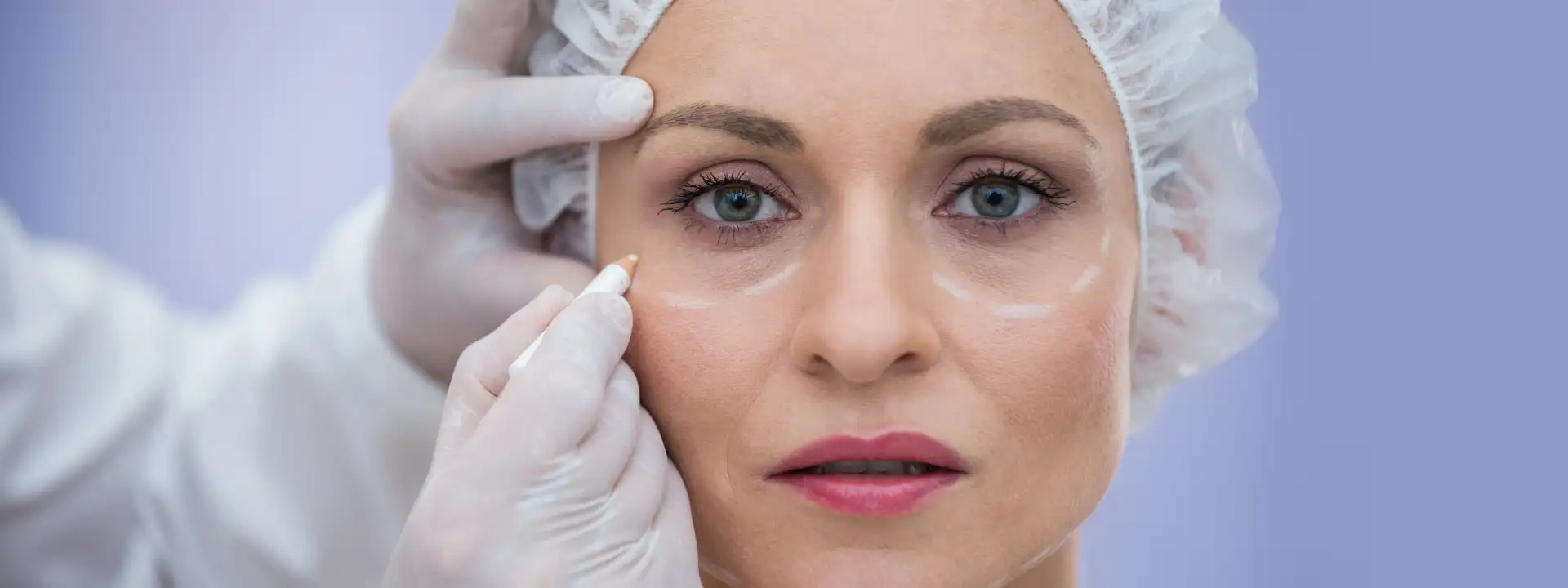
The surgeon evaluates eyelid skin laxity, eye symmetry, fat distribution and facial balance before carefully planning incision placement and the correction strategy.
Anaesthesia Administration
Local anaesthesia with sedation or general anaesthesia is administered to maintain comfort during eyelid surgery.
Precise Eyelid Marking
Natural upper-eyelid creases are carefully marked to guide accurate skin removal while maintaining a natural-looking eye contour after healing.
Upper Eyelid Incision Placement
Fine incisions are created within natural eyelid folds to minimise visible scarring and allow precise access to excess skin and tissue.
Excess Skin & Fat Removal
Excess eyelid skin, muscle and protruding fat pockets are carefully removed or repositioned to improve upper-eyelid definition and openness.
Eyelid Closure & Recovery Support
Fine sutures close the incisions, while cold compresses help minimise swelling and support comfortable early-stage healing.
Under-Eye Assessment & Planning
The surgeon evaluates under-eye puffiness, skin laxity, fat deposits and facial proportions before designing a personalised correction approach.
Anaesthesia & Surgical Preparation
Anaesthesia is administered to maintain comfort before the lower-eyelid correction procedure begins.
Lower Eyelid Incision Placement
Small incisions are placed either below the lash line or inside the eyelid to reduce visible scarring after recovery.
Under-Eye Fat Repositioning
Excess under-eye fat causing puffiness or eye bags is removed or repositioned to create smoother lower-eyelid contours.
Skin Tightening & Contouring
Loose lower-eyelid skin can be carefully tightened to improve under-eye smoothness without creating an overcorrected appearance.
Closure & Cooling Support
Incisions are closed using fine sutures, followed by cooling therapy to help reduce swelling and bruising during recovery.
Eyelid Shape Assessment
The surgeon evaluates eyelid anatomy, natural folds and facial symmetry before designing a suitable eyelid crease pattern.
Surgical Planning & Marking
Precise crease markings are created to achieve balanced eyelid definition and a natural-looking upper-eyelid contour.
Anaesthesia Administration
Local anaesthesia or sedation is administered to maintain comfort throughout the eyelid crease-enhancement procedure.
Crease Formation Procedure
Small incisions or suture-based techniques are used to create or enhance the upper-eyelid fold structure.
Eyelid Contouring & Balancing
The eyelid crease is carefully adjusted to improve symmetry, eyelid definition and the overall eye contour.
Fine Closure & Recovery Care
Fine sutures support proper healing, while cold compresses help reduce swelling during early recovery.
Ptosis Surgery (Droopy Eyelid Correction)
Eyelid Muscle Evaluation
The surgeon assesses eyelid muscle strength, eyelid position and the severity of visual obstruction before planning corrective surgery.
Anaesthesia & Surgical Preparation
Anaesthesia is administered carefully to maintain patient comfort and surgical precision throughout the procedure.
Eyelid Incision Placement
Small incisions are placed strategically within natural eyelid folds to minimise visible scarring after healing.
Eyelid Muscle Tightening
Weakened eyelid-lifting muscles are carefully tightened or repositioned to improve eyelid elevation and eye openness.
Eyelid Height Adjustment
The eyelid position is balanced precisely to maintain symmetry and avoid an unnatural or uneven eye appearance.
Closure & Healing Support
Fine sutures close the incisions while recovery measures help reduce swelling and support proper eyelid healing.
Canthoplasty Surgery
Eye Shape & Support Evaluation
The surgeon evaluates the position of the outer eye corners, eyelid support and facial proportions before planning contour-enhancement surgery.
Surgical Marking & Anaesthesia
Precise markings are made around the outer eye corner before administering anaesthesia.
Outer Corner Incision Placement
Small incisions are made near the lateral canthus to access supporting eyelid tissues, resulting in minimal visible scarring.
Canthal Tendon Adjustment
The outer eyelid tendon is carefully tightened or repositioned to improve eye-shape definition and eyelid support.
Eye Contour Refinement
The outer eye contour is balanced precisely to create a smoother, lifted and naturally proportioned appearance.
Closure & Recovery Support
Fine sutures close the incisions, while cold compresses help minimise swelling and bruising during recovery.
Eyelid Rejuvenation Surgery
Comprehensive Eye Ageing Assessment
The surgeon evaluates the upper eyelids, lower eyelids, skin laxity, puffiness and facial ageing changes before designing a customised rejuvenation plan.
Surgical Planning & Marking
Precise markings identify treatment zones for excess skin removal, fat repositioning and eyelid-contour improvement.
Anaesthesia Administration
Anaesthesia is administered carefully to maintain comfort throughout the combined eyelid-rejuvenation procedure.
Upper & Lower Eyelid Correction
Excess eyelid skin, under-eye bags and protruding fat deposits are corrected to create smoother and brighter eye contours.
Eyelid Tightening & Balancing
Both eyelids are carefully contoured to maintain natural facial harmony while avoiding an overcorrected appearance.
Fine Closure & Recovery Care
Fine sutures close the incisions, while cooling therapy helps reduce swelling and supports early-stage healing.
Swelling Reduction Phase
Bruising and swelling gradually improve over several weeks as refreshed eye contours become more visible.
Final Eye Rejuvenation Results
Healing progresses, revealing brighter, smoother and more youthful-looking eyes with a balanced facial aesthetic.
Risks & Safety Measures After Eyelid Surgery
Risks Of Eyelid Surgery
- Swelling and bruising around the eyes
- Dry, itchy or watery eyes during recovery
- Temporary blurred or double vision
- Mild visible scarring after healing
- Temporary difficulty closing the eyes fully
- Lower-eyelid pulling or eyelid malposition
- Temporary dry-eye symptoms or irritation
- Infection or blood collection beneath the skin
- Rare eye-muscle or vision-related complications
- Revision surgery may occasionally be required
Safety Measures After Surgery
- Apply cold compresses around the eyes regularly
- Sleep with your head elevated on extra pillows
- Use only prescribed eye drops and ointments
- Avoid rubbing or touching the eyes
- Limit screen time and prolonged reading
- Avoid contact lenses and eye makeup temporarily
- Wear dark sunglasses outdoors for protection
- Avoid heavy workouts and strenuous activities
- Keep water, shampoo and soap away from the eyes
- Avoid driving if your vision remains blurry
Recovery Timeline After Eyelid Surgery
Days 1–3
Swelling, bruising, watery eyes and eyelid tightness are most noticeable during the early healing phase after surgery.
Days 4–7
Bruising and swelling gradually improve, while stitches may be removed depending on healing progress and the surgical technique used.
Days 10–14
Most visible signs of recovery fade significantly, allowing a comfortable return to work, social activities and routine daily interactions.
Weeks 3–6
Residual swelling continues to settle gradually, while eyelid contours appear smoother, brighter and more naturally refreshed.
Months 3–6
Scars progressively soften within the natural eyelid creases, revealing the final long-term eyelid-rejuvenation results after tissue healing.
Will There Be Scars After Eyelid Surgery?
Upper-eyelid incisions are usually placed within the natural eyelid crease. Lower-eyelid incisions may be positioned below the lash line or inside the eyelid, depending on the correction required.
Scars generally soften and become less noticeable as healing progresses. Their final appearance depends on the incision used, skin type and individual healing response.
What Results Can You Realistically Expect?
Eyelid surgery can improve loose upper-eyelid skin, under-eye bags, puffiness and selected eyelid-position concerns. Results develop gradually as swelling and bruising settle.
The objective is to create smoother and more refreshed eyelid contours while preserving the patient’s natural eye shape and facial expression. Natural ageing will continue after surgery, and perfect symmetry cannot be guaranteed.
Factors Determining Eyelid Surgery Cost In Kolkata
The cost of eyelid surgery may vary depending on the complexity of correction required and whether upper, lower or combined blepharoplasty is performed.
Factors Influencing Cost Include:
Type and Complexity of Eyelid Surgery Performed
Upper, Lower or Combined Eyelid Correction Required
Double Eyelid or Ptosis Correction Technique Used
Surgeon’s Expertise and Surgical Specialisation
Operating Facility and Surgical Infrastructure Standards
Type of Anaesthesia Required During Surgery
Extent of Under-Eye Fat Repositioning or Tightening
Pre-Surgical Tests and Medical Evaluations
Post-Surgical Medicines and Follow-Up Care
Potential Need for Revision Correction Procedures
Get Brighter, More Youthful-Looking Eyes
Loose eyelid skin and under-eye bags can make you look constantly tired or older than you feel. An eyelid surgery helps restore fresher, naturally brighter-looking eyes.
A detailed assessment can help determine whether upper, lower or combined eyelid correction is appropriate for your concerns.
Schedule Your Consultation
Share a few details and the clinic team will guide you on the next step.
Key Facts at a Glance
| Information | Details |
|---|---|
| Procedure type | Cosmetic or functional eyelid surgery |
| Areas treated | Upper eyelids, lower eyelids, eyelid crease, eyelid muscles and outer eye corners |
| Procedure options | Upper, lower or double eyelid surgery, ptosis correction, canthoplasty and combined eyelid rejuvenation |
| Anaesthesia | Local anaesthesia with sedation or general anaesthesia, depending on the procedure |
| Procedure time | Approximately 1–3 hours, depending on the extent of correction |
| Hospital stay | Day care or a one-day stay, depending on the procedure and anaesthetic plan |
| Return to routine activities | Usually within 7–14 days |
| Results visible | Progressively, as swelling reduces over several weeks and tissues settle |
| Performed by | Dr Manoj Khanna |
| Location | Suite 5A, Minto Park, Maruti Building, 12, Sir UN Brahmachari Sarani, opposite Bellevue Clinic, Kolkata, West Bengal 700017 |
Frequently Asked Questions
Is eyelid surgery permanent?
Blepharoplasty results are long-lasting, although natural skin ageing may continue to affect the eyelid area over time.
Will blepharoplasty scars be visible?
Incisions are usually placed within natural eyelid creases or inside the eyelid, making scars minimally visible after healing.
How long does eyelid surgery take?
Most eyelid surgery procedures take between 1 and 3 hours, depending on the extent of correction required.
When can makeup be used after eyelid surgery?
Most patients may gradually resume eye makeup as healing progresses and the incision areas recover. Follow the surgeon’s guidance before applying products near the incisions.
How much does eyelid surgery cost in Kolkata?
Eyelid surgery in Kolkata typically ranges from ₹50,000 to ₹1,50,000, depending on the type of eyelid correction, surgical complexity, surgeon’s expertise and facility involved. Most procedures generally average between ₹70,000 and ₹80,000.
Patient Experiences
4.7 ★★★★★
670+ Google reviews
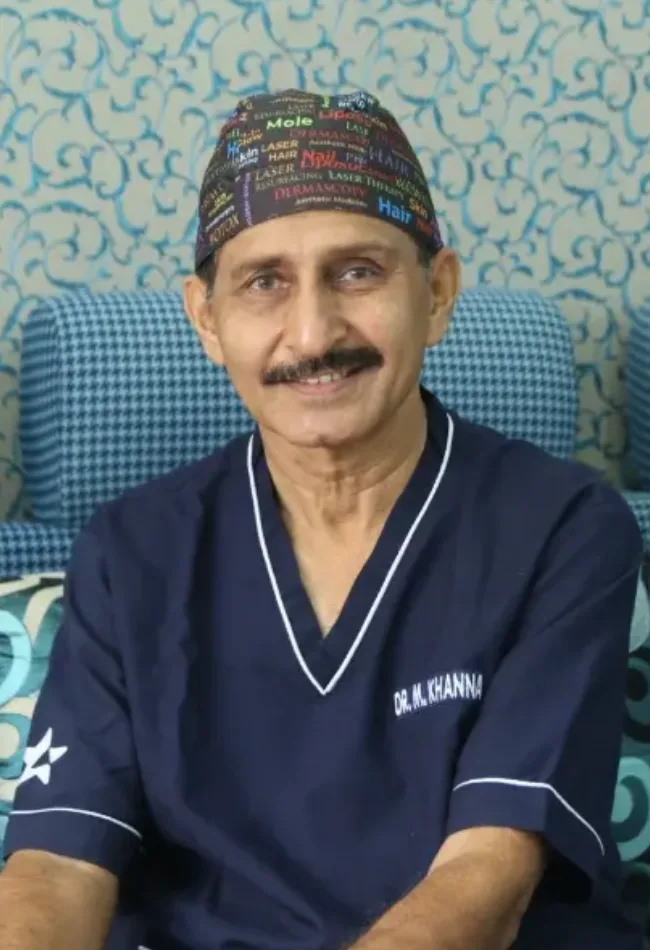
Why Choose Dr Manoj Khanna for Eyelid Surgery in Kolkata?
Patients consult Dr Manoj Khanna for individualised eyelid correction focused on facial balance, natural eye expression and subtle rejuvenation.
Asian and Ethnic Eyelid Aesthetics
Experience in planning eyelid surgery around individual eyelid anatomy, facial features and ethnic characteristics.
Hooded Eyelid Correction
Advanced techniques address loose or heavy upper-eyelid skin while preserving a natural eyelid contour.
Natural Eye Expression
The treatment is planned to refresh the eye area without producing an overcorrected or noticeably operated appearance.
Under-Eye Bag Reduction
Under-eye fat may be removed or repositioned to reduce puffiness and create smoother lower-eyelid contours.
Functional and Cosmetic Ptosis Correction
Experience in addressing drooping eyelids that affect appearance or partially obstruct vision.
Precise Incision and Contour Planning
Incisions are carefully positioned within natural eyelid creases or inside the lower eyelid to reduce their visibility after healing.
Awards

Clients

Client Satisfaction

Cosmetic Procedures