Rhinoplasty Surgery in Kolkata: Cosmetic and Functional Nose Reshaping
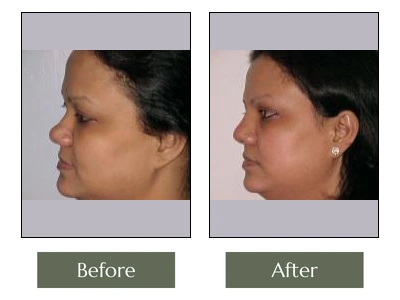
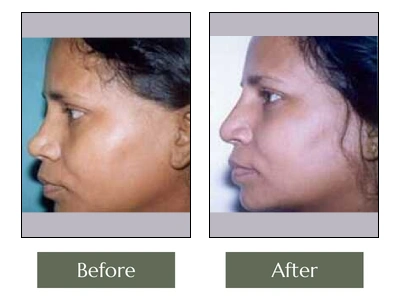
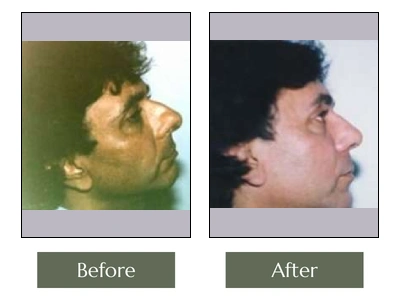
Rhinoplasty Before & After Results
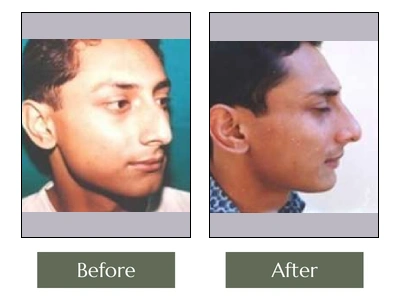
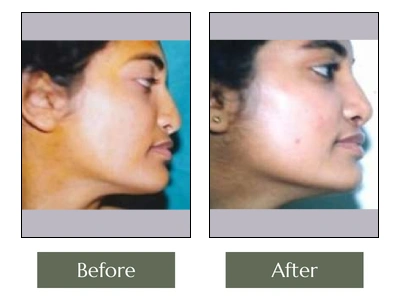
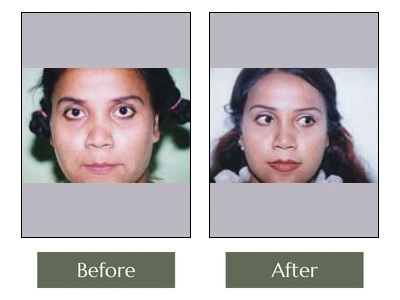
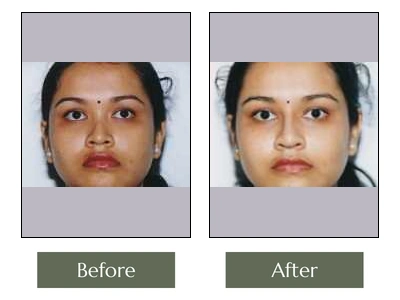
What Is Rhinoplasty?
Rhinoplasty is a surgical procedure that changes the shape, structure or proportion of the nose. It may be performed to improve appearance, support nasal breathing or address both concerns together.
As the nose is in the centre of the face, the deformities of the nose are very prominent and evident, and that is why nose surgery or rhinoplasty is one of the most popular cosmetic surgery operations.
Depending on the patient’s needs, rhinoplasty surgery may involve reshaping the nasal bone, cartilage, the bridge, nasal tip, nostrils or internal supporting structures.

Functional vs Cosmetic Rhinoplasty
Cosmetic rhinoplasty focuses on external nasal shape and facial proportion. Functional rhinoplasty addresses structural concerns that may restrict airflow or contribute to breathing difficulty.
| Feature |
Functional Rhinoplasty
|
Cosmetic Rhinoplasty
|
|---|---|---|
| Primary Goal | Improve nasal airflow and breathing | Improve nasal shape and facial balance |
| Main Focus | Internal nasal structure | External nasal appearance |
| Common Concerns | Septal deviation, obstruction or nasal valve weakness | Dorsal hump, broad bridge, tip shape, wide nostrils or asymmetry |
| Surgical Planning | Based on airway examination and structural support | Based on nasal anatomy, facial proportions and aesthetic goals |
| Procedure Duration | Approximately 1.5–3 hours | Approximately 1–3 hours |
| Indicative Cost Range | ₹80,000–₹2,50,000+ | ₹90,000–₹3,00,000+ |
When to Consult a Specialist?
- The nose appears broad, prominent, or asymmetrical
- A dorsal hump affects side-profile appearance
- The nasal tip appears drooping, bulbous, or poorly defined
- Breathing difficulty occurs due to structural nasal concerns
- Previous nasal injury altered the nasal shape or alignment
- Considering cosmetic or functional nasal correction
- Preference for balanced, natural-looking nasal refinement
- Exploring rhinoplasty or septorhinoplasty treatment options
What Does Dr Khanna Evaluate During Assessment?
- Facial proportions and profile
- Nasal bridge, tip and nostril shape
- Skin thickness and tissue quality
- Nasal bone and cartilage structure
- Septal alignment and nasal airflow
- Previous injury or surgery
- Medical history and current medicines
- Desired changes and expectations
Which Nasal Concerns Can Rhinoplasty Address?
Depressed or Flat Nasal Bridge
A depressed bridge may be elevated using cartilage, bone or a suitable implant, depending on the structural requirement and treatment plan.
Dorsal Hump
A prominent hump along the nasal bridge may be reduced to create a smoother side profile.
Broad Nasal Bridge
The nasal bones may be carefully repositioned to create a narrower bridge while maintaining facial balance.
Bulbous or Poorly Defined Tip
Tip cartilage may be reshaped or supported to improve definition without creating an overly pinched appearance.
Drooping Nasal Tip
The nasal tip may be elevated and supported when drooping affects the profile or nasal proportion.
Wide Nostrils or Nasal Base
Nostril size or a wide nasal base may be reduced in selected patients to improve proportion with the bridge and tip.
Crooked or Asymmetrical Nose
Nasal bones, cartilage and the septum may require correction to improve alignment. Complete symmetry cannot be guaranteed because natural facial asymmetry and healing patterns vary.
Nose Shape After Injury
Rhinoplasty may help restore nasal shape, alignment and structural support after an injury.
Structural Breathing Concerns
Septal deviation, nasal valve weakness or enlarged turbinates may be addressed through functional rhinoplasty when clinically appropriate.
Which Rhinoplasty Techniques Are Used?
The technique depends on the complexity of correction, nasal anatomy, skin thickness, previous surgery and required structural access.
Closed Rhinoplasty
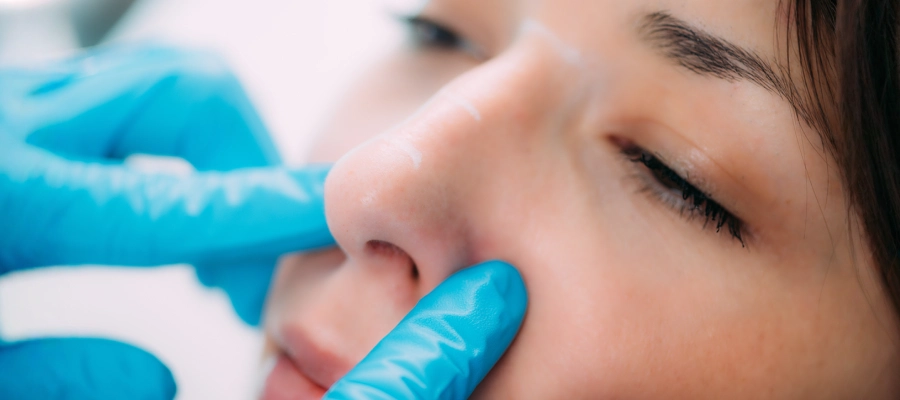
Closed rhinoplasty uses incisions placed inside the nostrils. It may be appropriate when the required reshaping can be completed without extensive external exposure.
Potential advantages include:
- No external columella incision
- Less tissue disruption in selected cases
- Suitable for certain bridge and tip corrections
Open Rhinoplasty
Open rhinoplasty combines internal incisions with a small incision across the columella, the strip of tissue between the nostrils. This provides greater visibility of the nasal framework.
It may be selected for:
- Complex tip reshaping
- Significant asymmetry
- Structural grafting
- Revision rhinoplasty
- Extensive functional correction
Most rhinoplasty incisions are placed inside the nose or along the columella and nostril margins. Once healed, external marks are generally limited and carefully positioned.
Septorhinoplasty
Septorhinoplasty combines external nose reshaping with correction of the nasal septum. It may be recommended when cosmetic concerns and breathing difficulties occur together.
Revision Rhinoplasty
Revision rhinoplasty addresses persistent or new concerns following earlier nose surgery. It may be more complex because scar tissue, altered anatomy or reduced cartilage availability can affect surgical planning.
How Is Cosmetic and Functional Rhinoplasty Performed?
Step-by-Step Cosmetic Rhinoplasty Procedure
Consultation and Facial Assessment
Facial structure, nasal anatomy, skin thickness and cosmetic concerns are evaluated. Clinical photographs help document the starting appearance and support planning.
Digital Imaging and Surgical Planning
Digital imaging may help explain possible changes and establish realistic expectations. It supports communication but does not guarantee an exact result.
Anaesthesia
General anaesthesia or intravenous sedation is administered according to the procedure and anaesthetic assessment.
Surgical Access
Closed rhinoplasty uses internal incisions. Open rhinoplasty uses internal incisions with a small columella incision when greater structural visibility is needed.
Reshaping the Nasal Framework
Bone and cartilage are reshaped to refine the bridge, tip, width, alignment and overall nasal proportion.
Cartilage Grafting
Cartilage from the septum, ear or rib may be used when additional projection, contour or structural support is required.
Septal Correction When Required
A deviated septum may be corrected during the procedure to improve airflow and support nasal alignment.
Closing the Incisions
The skin is repositioned, and the incisions are closed with fine sutures.
Splints and Nasal Packing
Internal splints or soft packing may be used temporarily to support healing tissues. An external splint helps protect the new nasal shape.
Step-by-Step Functional Rhinoplasty Procedure
Nasal Airway Assessment
Nasal airflow, septal alignment, obstruction and valve support are evaluated through examination and surgical planning.
Medical Review
Medical history, medicines, allergies and existing health conditions are reviewed before surgery.
Anaesthesia
General anaesthesia or sedation is administered to maintain comfort during the procedure.
Surgical Access
An open or closed approach is selected depending on the required structural correction.
Septoplasty
A deviated septum may be straightened, repositioned or partially reshaped to improve airflow.
Turbinate Reduction
Enlarged turbinates may be reduced when they contribute to nasal blockage.
Nasal Valve Repair
Cartilage grafts may be used to strengthen weak nasal valves and improve structural support.
Incision Closure
The incisions are carefully closed after completing the required functional correction.
Splinting
Internal and external splints may be applied to stabilise the nasal structures during early healing.
Rhinoplasty commonly takes around 1–3 hours, although complex or revision procedures may take longer. Many patients can return home on the day of surgery after appropriate observation.
Can Rhinoplasty Improve Breathing?
Rhinoplasty may improve breathing when nasal obstruction is related to structural concerns such as:
- A deviated septum
- Narrow internal nasal passages
- Weak or collapsed nasal valves
- Enlarged turbinates
- Structural changes following injury
- Previous nasal surgery
A detailed airway assessment is required before recommending treatment. Not every breathing problem is caused by nasal structure, so symptoms should be evaluated before surgery is planned.
Cosmetic Rhinoplasty With Functional Correction
Some patients want to change nasal shape while also experiencing breathing difficulty. In such cases, cosmetic reshaping and functional correction may be performed during the same operation.
A combined procedure may involve:
- Refining the bridge or nasal tip
- Correcting septal deviation
- Supporting weak nasal valves
- Improving internal airflow
- Restoring symmetry after injury
- Strengthening the nasal framework
The aim is to improve appearance without compromising breathing—and, where possible, to improve both.
What Does Recovery After Rhinoplasty Look Like?
Recovery varies according to the extent of surgery, whether nasal bones were repositioned, the use of grafts and the patient’s healing response.
First 24–72 Hours
Mild bleeding, nasal congestion, swelling, bruising around the eyes, and facial tightness commonly occur during the initial recovery period. A nasal splint and dressings are usually maintained throughout this stage.
Days 5–7
The external nasal splint is commonly removed during follow-up evaluation. Most visible bruising around the eyes gradually improves, although noticeable swelling may persist. A follow-up appointment is generally required during the first week to examine healing and remove dressings or packing when appropriate.
Days 7–14
Early swelling continues to reduce while nasal definition gradually becomes more visible. Many patients progressively resume routine daily activities while continuing to avoid strenuous exercise and nasal trauma. Patients may need approximately 7–10 days away from work, while return to social activities commonly occurs within 10–14 days.
Weeks 2–6
Residual swelling, especially around the nasal tip, may remain during this stage. Nasal contour refinement and tissue settling continue to improve gradually over time. Contact sports and activities that could result in a blow to the nose should generally be avoided for around six weeks or as advised by the surgeon.
Months 1–3
The bridge and overall nasal contour become clearer as swelling reduces. Tip refinement may take longer to appear.
Months 3–6
Further definition develops, and the nose begins to appear more settled and natural. The nasal profile may continue adjusting for up to six months, with gradual improvement rather than an overnight final result.
Months 6–12
Near-final rhinoplasty refinement, long-term tissue settling, and nasal tip definition typically continue to develop gradually during this stage.
How Safe Is Rhinoplasty Surgery?
Risks Of Rhinoplasty Surgery
- Swelling and bruising around the nose and eyes initially
- Temporary nasal blockage may occur during healing
- Minor asymmetry or uneven healing can occasionally develop
- Infection, bleeding, or delayed healing may rarely occur
- Scar tissue may affect the final nasal shape in some cases
- Some patients may need revision rhinoplasty later
- Skin thickness can influence long-term cosmetic results
- Mild nasal tip swelling may persist for several months
Safety Measures After Rhinoplasty
- Sleep with your head elevated
- Avoid touching, rubbing or pressing the nose
- Do not blow your nose forcefully
- Avoid bending and strenuous exercise initially
- Avoid heavy glasses over the nasal bridge until permitted
- Follow splint, dressing and incision-care instructions
- Avoid smoking and alcohol during early recovery
- Take prescribed medicines as directed
- Attend all scheduled follow-up appointments
- Protect the nose from accidental trauma
Please Note: If antibiotics are prescribed, complete the course as directed. Contact the surgical team if you experience unexpected bleeding, increasing discomfort, fever or another concerning change.
What Results Can You Realistically Expect?
Rhinoplasty may improve nasal contour, proportion and profile, but no cosmetic procedure can create perfect symmetry or guarantee an exact appearance.
Patients should understand that:
Every face has some natural asymmetry
Early swelling can temporarily hide the final contour
Nasal-tip swelling may take several months to settle
Thick skin can influence visible definition
Cosmetic and functional goals must be balanced
Digital simulations are planning tools, not guarantees
Revision surgery may occasionally be required
Results develop gradually
The change may be visible after the splint is removed, but the nose continues to refine over the following months.
The objective is proportional improvement and a nose that looks balanced with the rest of the face—not an artificial transformation.
How Much Does Rhinoplasty Cost in Kolkata?
The cost of rhinoplasty surgery in India usually depends on the complexity of nasal correction and the type of procedure planned. Since every patient has different anatomical concerns, breathing considerations, and treatment goals, the final treatment cost may vary from person to person.
Some important factors that may influence rhinoplasty cost include:
Complexity of nasal reshaping required
Whether breathing correction or septal correction is needed
Type of rhinoplasty technique being performed
Revision or secondary rhinoplasty requirements
Cartilage grafting or structural support requirements
Hospital infrastructure and surgical setup
Anaesthesia and operating room requirements
Extent of overall nasal correction planned
Take The Next Step Towards Natural-Looking Rhinoplasty Surgery In Kolkata
Rhinoplasty should begin with a detailed understanding of your nasal anatomy, breathing function, facial proportions and expected changes.
To find out whether cosmetic rhinoplasty, functional rhinoplasty, septorhinoplasty or revision surgery may be suitable, schedule a consultation with Dr Manoj Khanna.
Patients from outside Kolkata or India may begin through an online or WhatsApp consultation before arranging an in-person assessment.
Schedule Your Consultation
Share a few details and the clinic team will guide you on the next step.
Key Facts at a Glance
| Details | Information |
|---|---|
| Procedure type | Cosmetic or functional nasal surgery |
| Procedures available | Cosmetic rhinoplasty, functional rhinoplasty, septorhinoplasty and revision rhinoplasty |
| Common concerns treated | Nasal hump, broad bridge, drooping or bulbous tip, wide nostrils, asymmetry and structural breathing concerns |
| Surgical approach | Open or closed rhinoplasty |
| Anaesthesia | General anaesthesia or intravenous sedation, depending on the procedure |
| Procedure duration | Usually 1–3 hours, depending on complexity |
| Typical hospital stay | Generally a day-care procedure; selected patients may require observation |
| Return to social activities | Commonly within 10–14 days, depending on recovery |
| Result development | Progressive as swelling reduces over several months |
| Performed by | Dr Manoj Khanna, MCh Plastic Surgery |
| Location | Suite 5A, Minto Park, Maruti Building, 12 Sir UN Brahmachari Sarani, opposite Bellevue Clinic, Kolkata, West Bengal 700017 |
Frequently Asked Questions About Rhinoplasty Surgery
Is rhinoplasty only performed for cosmetic reasons?
No. Rhinoplasty may improve nasal appearance, breathing function or both. Functional rhinoplasty can address structural obstruction, while cosmetic rhinoplasty focuses on shape and proportion.
What is the difference between open and closed rhinoplasty?
Closed rhinoplasty uses incisions inside the nostrils. Open rhinoplasty includes a small columella incision and provides greater access for complex reshaping or structural grafting.
How long does rhinoplasty surgery take?
Rhinoplasty generally takes around 1–3 hours. Complex functional or revision procedures may require additional time.
Can a patient return home on the day of surgery?
Many rhinoplasty procedures are completed as day-care surgery, allowing the patient to return home after appropriate post-operative observation.
When is the nasal splint removed?
The external splint is commonly removed after approximately 5–7 days, depending on the procedure and healing progress.
How much downtime is usually needed?
Many patients return to work within 7–10 days and feel comfortable resuming social activities within approximately 10–14 days. Recovery varies between patients.
Will there be visible scars?
Closed rhinoplasty uses internal incisions. Open rhinoplasty creates a small columella incision that generally becomes less noticeable as it heals.
Does skin thickness affect rhinoplasty results?
Yes. Skin thickness can influence how clearly the underlying nasal structure and tip definition become visible after surgery.
Can international patients start with an online consultation?
Yes. Outstation and international patients may begin through an online or WhatsApp consultation to discuss concerns, photographs, medical history and travel planning. An in-person examination is usually required before finalising surgery.
Patient Experiences
4.7 ★★★★★
670+ Google reviews
Why Choose Dr Manoj Khanna for Rhinoplasty Surgery in Kolkata
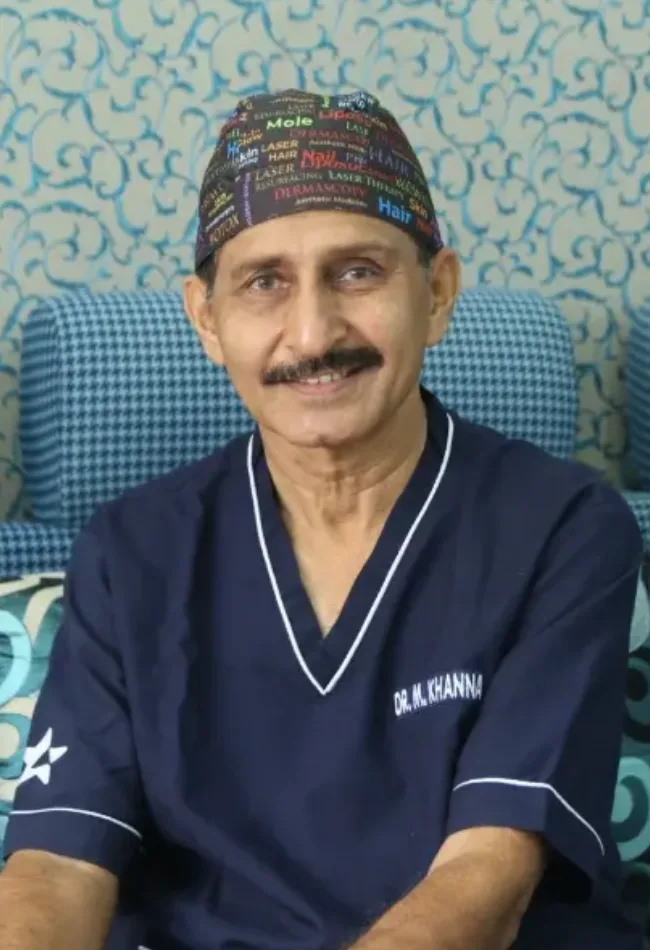
Patients from India and overseas consult Dr Manoj Khanna for personalised cosmetic and functional nose surgery because of:
Extensive Surgical Experience
Performed more than 700 rhinoplasty and nose surgery procedures, with experience across cosmetic and functional nasal concerns.
Personalised Rhinoplasty Planning
Recommendations are based on what suits the individual patient rather than a standardised approach. Factors like the patient’s nasal anatomy, facial structure, breathing concerns and treatment goals are taken into account.
Focus on Natural-Looking Results
The aim is to refine nasal shape and proportion without creating an artificial or overcorrected appearance.
Cosmetic and Functional Expertise
Experience in aesthetic nose reshaping, septal correction, functional rhinoplasty and structurally complex cases.
Detailed Pre-Surgical Assessment
Skin thickness, cartilage strength, nasal bones, airflow and facial proportions are evaluated before treatment planning.
Experience With Revision Rhinoplasty
Revision procedures are planned carefully to address concerns following previous nose surgery.
Awards

Clients

Client Satisfaction

Cosmetic Procedures